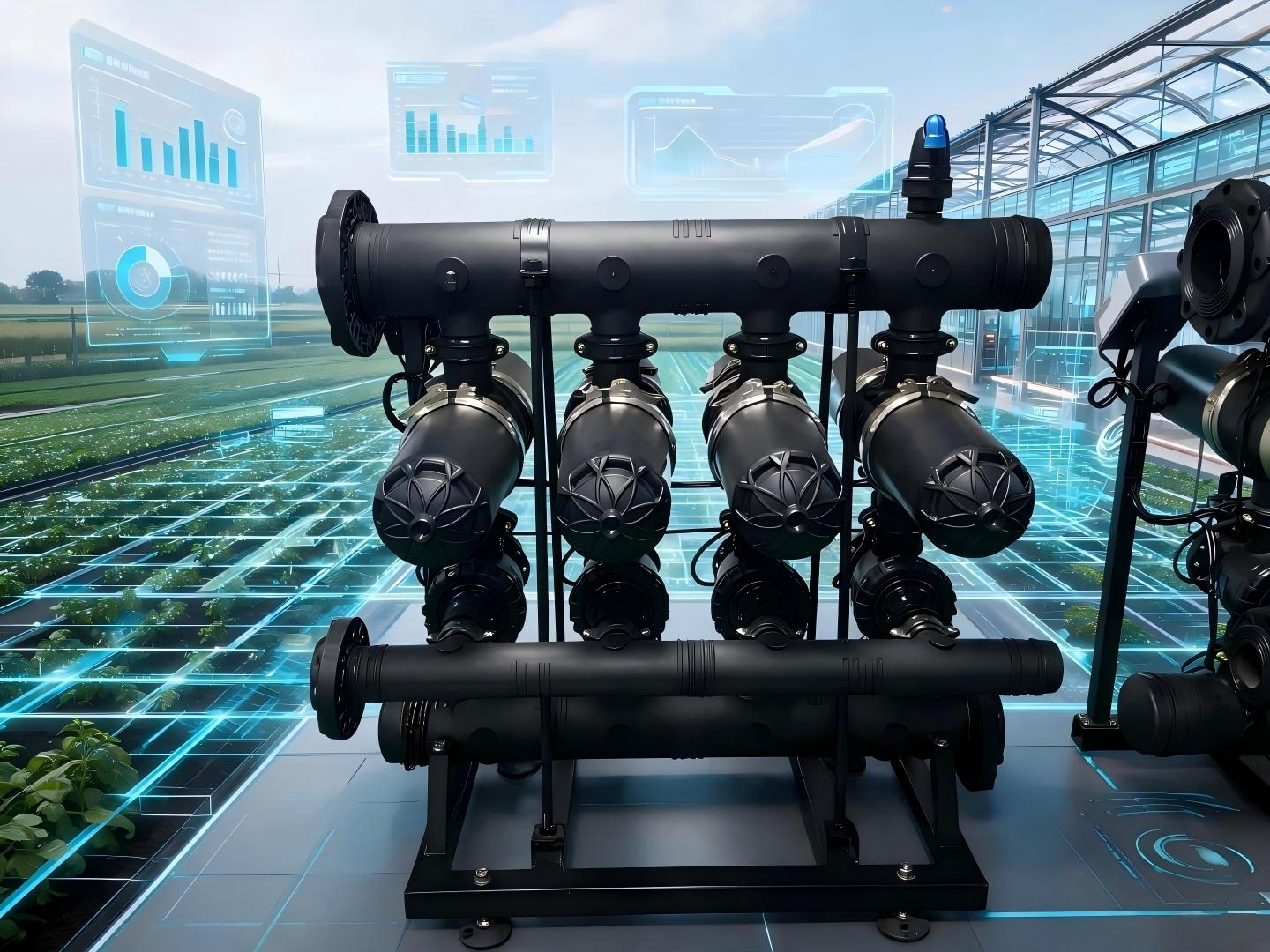
Subsurface Drip Irrigation Advantages: Data-Backed Benefits for Modern Agricultural Production
Global agriculture faces unprecedented pressure to produce more food with fewer resources: the United Nations Food and Agriculture Organization (FAO) estimates that agricultural production must increase by 70% by 2050 to feed a projected 9.7 billion global population, while agriculture already accounts for 70% of global freshwater withdrawals, rising to 90% in arid developing nations. An estimated 40% of water used for irrigation is wasted annually due to inefficient delivery methods, including surface runoff, deep percolation, and atmospheric evaporation, driving growing adoption of high-efficiency irrigation systems. Among all available irrigation technologies, subsurface drip irrigation (SDI) delivers the most consistent, quantified benefits across water efficiency, crop productivity, operational cost, and environmental performance metrics, making it a gold standard for modern, sustainable agricultural production.
What Is Subsurface Drip Irrigation (SDI), and How Does It Differ From Other Irrigation Systems?
Core SDI Design and Operating Principles
Subsurface drip irrigation is a permanent, pressurized irrigation system that uses high-density polyethylene (HDPE) drip tubing installed 15–60 centimeters below the soil surface, positioned directly within the active crop root zone. Pressure-compensating emitters spaced along the tubing deliver slow, uniform volumes of water (0.5–4 liters per hour per emitter) directly to crop roots, eliminating surface wetting entirely. Most commercial SDI systems operate at 0.5–1.5 bar of pressure, with integrated filtration (120–200 mesh disc or screen filters) to prevent emitter clogging, and are often paired with fertigation injection equipment to deliver soluble nutrients directly to the root zone alongside water. Unlike temporary surface drip lines, SDI tubing is designed to remain in place for 15–25 years, positioned below standard tillage depth to avoid damage from farm equipment.
Performance Comparison Across Common Irrigation Methods
While SDI falls under the broader drip irrigation category, its subsurface placement creates fundamental differences in performance compared to surface drip, sprinkler, and furrow systems. The table below compares key performance metrics across the four most common agricultural irrigation methods, using peer-reviewed data from 2021–2024 university trials, USDA Agricultural Research Service (ARS) studies, and Irrigation Association industry benchmarks for U.S. row crop production.
| Performance Metric (2024 U.S. Row Crop Averages) | Subsurface Drip Irrigation (SDI) | Furrow/Flood Irrigation | Center Pivot Sprinkler | Surface Drip Irrigation |
|---|---|---|---|---|
| Water Application Efficiency (%) | 90–96 | 50–70 | 75–85 | 80–88 |
| Water Use Reduction vs. Furrow Baseline (%) | 35–55 | 0 (baseline) | 15–30 | 25–40 |
| Average Yield Increase vs. Furrow Baseline (%) | 20–40 | 0 (baseline) | 10–20 | 12–25 |
| Required Operating Pressure (bar) | 0.5–1.5 | 0.1–0.3 | 2.0–4.0 | 0.7–1.7 |
| Pumping Energy Use (Relative to SDI = 100%) | 100 | 130–180 | 180–250 | 110–140 |
| Annual Irrigation Labor Requirement (hours/hectare) | 0.8–1.5 | 5.0–10.0 | 1.8–3.2 | 1.5–2.8 |
| Expected Functional Lifespan (years) | 15–25 | 20–40 | 10–20 | 7–12 |
| Upfront Installation Cost ($/hectare) | 1,800–3,500 | 300–800 | 1,200–2,800 | 1,200–2,400 |
| Typical Payback Period (years, U.S. row crops) | 3–7 | N/A (baseline system) | 7–12 | 4–8 |
| Foliar Disease Incidence (Relative to SDI = 100%) | 100 | 250–400 | 300–550 | 120–200 |
| Between-Row Weed Germination Rate (Relative to SDI = 100%) | 100 | 300–600 | 200–350 | 180–280 |
As the data shows, SDI outperforms competing systems across nearly every efficiency and productivity metric, with quantifiable advantages that deliver tangible value for producers across operation sizes, commodity types, and growing regions.
Unmatched Water Use Efficiency, Backed by Peer-Reviewed Field Data
The most widely documented advantage of SDI is its industry-leading water application efficiency, defined as the percentage of applied water that is available for crop uptake rather than lost to evaporation, runoff, or deep percolation. A 2023 meta-analysis published in Agricultural Water Management, which synthesized data from 187 SDI field trials across 32 countries, found that SDI delivers 90–96% application efficiency, compared to 50–70% for furrow, 75–85% for center pivot, and 80–88% for surface drip systems. USDA ARS 2023 trials across 12 U.S. corn-producing states found that SDI reduced total irrigation water applications by 35–55% compared to furrow irrigation, 20–30% compared to center pivot sprinklers, and 10–15% compared to surface drip, while maintaining or increasing crop yields.
Mechanisms Driving SDI Water Savings
- Eliminated surface evaporation: Because SDI delivers water 15 cm or more below the soil surface, no water is exposed to atmospheric evaporation from the soil surface. USDA ARS data shows that 30–40% of water applied via sprinkler systems is lost to evaporation in arid and semi-arid climates during summer peak temperatures, with evaporation losses rising to 60% during extreme heat events when temperatures exceed 38°C. University of Arizona 2021 alfalfa trials found that SDI reduced evaporative water losses by 98% compared to flood irrigation, which lost 42% of applied water to evaporation during July and August high-temperature periods.
- Zero surface runoff: SDI emitters deliver water at slow, consistent rates matched to soil infiltration capacity, eliminating overland flow even on sloped fields (up to 8% grade, per 2024 Irrigation Association design guidelines). By comparison, furrow irrigation generates 15–25% surface runoff on slopes greater than 2%, carrying applied water, soil, and nutrients off-field and reducing uniformity of water delivery to crops.
- Reduced deep percolation: When SDI is designed to match crop root depth and soil texture, water is held in the active root zone rather than percolating below root reach to underlying aquifers. The 2023 Agricultural Water Management meta-analysis found that SDI reduces deep percolation losses by 40–60% compared to sprinkler and furrow systems, as delivery rates can be precisely calibrated to match daily crop water uptake without oversaturating the soil profile.
These water savings translate to tangible, long-term value for producers in water-scarce regions. The Lamesa Cotton Growers Cooperative, a 2,000-hectare cotton operation in the Texas High Plains reliant on the declining Ogallala Aquifer, converted 100% of its furrow-irrigated acreage to SDI between 2018 and 2022. Prior to conversion, the cooperative applied 620 mm of irrigation water per growing season (paired with 380 mm of average annual rainfall) to achieve 1,450 kg per hectare of lint yield. After SDI installation, the cooperative reduced irrigation applications to 310 mm per season – a 50% reduction – while increasing lint yield to 1,780 kg per hectare, a 23% gain. This improved water productivity from 0.23 kg of lint per cubic meter of applied water to 0.58 kg per cubic meter, a 152% improvement. Per the cooperative’s 2023 sustainability report, the water savings from SDI extended the usable life of their Ogallala Aquifer water access by an estimated 42 years, compared to remaining on furrow irrigation.
Higher Crop Yields and Improved Marketable Quality Across Commodities
Water savings alone are rarely enough to justify irrigation system upgrades for most producers; SDI also delivers consistent, measurable yield and quality gains across nearly all commodity groups, from row crops to high-value permanent plantings. The 2023 Agricultural Water Management meta-analysis found that, when operated at optimal irrigation levels, SDI increases average crop yields by 20–40% compared to furrow irrigation, 10–25% compared to center pivot, and 5–12% compared to surface drip across 42 tested commodity groups. Unlike systems that create fluctuating wet-dry cycles in the root zone, SDI maintains consistent moisture levels tailored to crop growth stage requirements, reducing plant stress and supporting uniform crop development.
Unique Yield and Quality Drivers of Subsurface Delivery
- Reduced crop moisture stress during critical growth stages: Many high-value crops are extremely sensitive to even short periods of moisture stress during key reproductive stages. For corn, moisture stress during tasseling and silking can reduce yields by 20–30%; for almonds, stress during nut fill reduces kernel size and market value. USDA ARS 2022 corn trials in Nebraska found that SDI maintained root zone moisture within 5% of field capacity 94% of the growing season, compared to 71% for center pivot and 52% for furrow. In a year with 20% below average rainfall, this consistency translated to 28% higher corn yields for SDI fields (13.2 t/ha) compared to center pivot (10.3 t/ha) and furrow (9.5 t/ha).
- Suppressed foliar and fruit disease pressure: Because SDI never wets crop foliage or fruit surfaces, it eliminates the moist conditions required for many common fungal and bacterial pathogens to spread. A 2023 University of Florida trial on fresh market tomatoes found that SDI reduced early blight and bacterial spot incidence by 68% compared to sprinkler irrigation, reducing fungicide applications by 45% over the growing season. A 2022 University of California almond trial found that SDI reduced hull rot incidence by 52% compared to sprinkler systems, increasing marketable nut yield by 11% by reducing cull rates.
- Reduced weed competition: SDI only wets the soil volume directly adjacent to crop roots, leaving the between-row soil surface dry enough to suppress weed seed germination. The Weed Science Society of America’s 2024 irrigation report found that SDI reduces between-row weed emergence by 50–80% compared to systems that wet the entire soil surface, reducing competition for water and nutrients and cutting herbicide requirements. Kansas State University 2021 corn trials found that SDI plots had 73% fewer pigweed and foxtail plants per square meter than furrow plots, reducing post-emergent herbicide applications by 38% and cutting yield loss from weed competition from 12% to less than 2%.
These yield and quality benefits deliver outsized returns for high-value specialty crop producers. Domaine Serene, an 800-hectare Pinot Noir operation in Oregon’s Willamette Valley, converted 480 hectares of its vineyards from overhead sprinklers to SDI between 2017 and 2020. Prior to conversion, the winery averaged 6.7 t/ha of grape yield, with 18% of fruit rejected due to botrytis bunch rot and uneven berry ripening, requiring 12 fungicide applications per season. After SDI installation, average yields increased to 8.2 t/ha (a 22% gain), fruit rejection dropped to 4%, fungicide applications fell to 7 per season (a 42% reduction), and fruit Brix levels were consistently 1.2–1.8 degrees higher. This increased the share of fruit graded for premium wine production by 32%, translating to a $1.2 million annual revenue increase at 2023 Willamette Valley wine grape prices. The winery also reported that vine root systems grew 71% deeper (120 cm vs. 70 cm under sprinklers), reducing vine stress during the 2021 and 2022 Pacific Northwest heat domes by 40% as measured via midday leaf water potential.
Long-Term Operational Cost Savings and Strong Return on Investment
While SDI has a higher upfront installation cost than furrow or basic surface drip systems, its long lifespan and recurring cost reductions deliver a faster payback and higher net return than competing irrigation methods for most operations. The 2024 Irrigation Association cost report pegs average SDI installation costs at $1,800–$3,500 per hectare for row crops, and $3,000–$6,000 per hectare for permanent fruit and nut crops, depending on tubing spacing, emitter flow rate, automation level, and field topography. A 2023 USDA farm financial analysis found that the average payback period for SDI systems is 3–7 years for row crops and 4–9 years for permanent crops, compared to 7–12 years for center pivot systems, with net returns continuing to accrue over the system’s 15–25 year functional lifespan.
Recurring Cost Reductions That Accelerate ROI
- Lower energy costs: SDI operates at 50–75% lower pressure than sprinkler systems (0.5–1.5 bar vs. 2–4 bar for center pivots, 3–5 bar for solid-set sprinklers), reducing total pumping energy requirements. While furrow systems operate at low pressure, their high water application volumes lead to higher total pumping energy use than SDI: U.S. Department of Energy 2022 data shows that SDI reduces pumping energy costs by 20–50% per hectare compared to sprinkler systems, and 25–40% compared to furrow. For the Lamesa Cotton Growers Cooperative, this translated to a drop in annual pumping energy costs from $212 per hectare to $98 per hectare, a 54% reduction that saves $228,000 per year across 2,000 hectares.
- Reduced labor requirements: Fully automated SDI systems eliminate the need for manual furrow gate adjustment, sprinkler nozzle repair, or seasonal removal and reinstallation of surface drip lines for tillage. A 2023 University of Nebraska-Lincoln cost analysis found that SDI reduces annual irrigation labor requirements by 60–80% compared to furrow, 30–50% compared to center pivot, and 25–40% compared to surface drip. For a 1,000-hectare row crop operation, this translates to 800–1,200 hours of saved labor per year, worth $24,000–$36,000 annually at 2024 U.S. agricultural labor rates of $30 per hour.
- Reduced input costs: SDI’s compatibility with precision fertigation – injecting soluble fertilizers directly into irrigation water – delivers nutrients directly to the root zone, increasing nutrient use efficiency by 30–50% compared to broadcast fertilization with furrow or sprinkler systems, per 2023 International Plant Nutrition Institute data. This allows producers to cut nitrogen, phosphorus, and potassium applications by 30% without reducing yields, saving $75–$220 per hectare annually in fertilizer costs. When combined with reduced herbicide and fungicide requirements from lower weed and disease pressure, input savings often account for 30–40% of total annual SDI benefits.
- Longer functional lifespan: When properly maintained with regular filtration, flushing, and chemical treatments to prevent clogging, SDI tubing lasts 15–25 years, compared to 7–12 years for surface drip lines (which are exposed to UV degradation, tractor traffic, rodent damage, and tillage equipment impacts) and 10–20 years for center pivot systems. This longer lifespan reduces annualized equipment costs by 30–45% compared to surface drip, even with higher upfront investment.
On-Farm ROI Case Study: Central Illinois Corn-Soybean Rotation
A 400-hectare family-owned corn and soybean operation in central Illinois installed SDI across its entire acreage in 2019, replacing a 40-year-old furrow irrigation system, at a total upfront cost of $920,000 ($2,300 per hectare). The farm’s 5-year (2019–2023) financial analysis documented the following annual net benefits from the SDI system:
- Water cost savings: A 42% reduction in irrigation water applications cut annual water rights fees and pumping costs by $81,600 per year.
- Energy cost savings: A 38% reduction in pumping energy use cut annual electricity costs by $34,400 per year.
- Input cost savings: A 32% reduction in nitrogen fertilizer applications, 41% reduction in post-emergent herbicide, and 29% reduction in foliar fungicide totaled $59,200 per year in savings.
- Labor savings: A 72% reduction in irrigation labor requirements saved $18,700 per year.
- Revenue gains: A 19% increase in corn yields and 14% increase in soybean yields generated $112,800 per year in additional crop revenue at 2020–2023 average commodity prices.
Combined, these benefits deliver $306,700 in annual net value to the operation, resulting in a 3.0-year payback period and a 33% annual return on initial investment over the system’s 20-year projected lifespan. As of 2024, the farm reported recouping 142% of its initial SDI investment through five growing seasons, with projected net benefits of $5.2 million over the system’s full functional life.
Improved Field Accessibility and Compatibility With Modern Farm Practices
A frequently overlooked advantage of subsurface drip placement is the elimination of surface irrigation infrastructure that disrupts field operations. Unlike center pivots (which leave wheel tracks and limit equipment movement in circular patterns), furrows (which create muddy, impassable conditions after irrigation), or surface drip lines (which must be moved for tillage, planting, and harvest), SDI systems operate entirely below ground, creating no barriers to field access.
Unrestricted Field Access During Irrigation and Harvest
Because SDI delivers water below the soil surface, the top layer of soil remains dry even during active irrigation cycles, allowing producers to operate tractors, sprayers, and harvesters in fields at any time without disrupting water delivery, getting stuck in mud, or damaging irrigation equipment. A 2023 University of California study on processing tomato operations found that SDI reduced harvest delays due to wet field conditions by 82% compared to furrow and 61% compared to sprinkler irrigation, allowing producers to harvest 7–10 days earlier on average – a critical benefit for processing tomatoes, which face strict delivery windows and steep late penalties from processing plants. A 600-hectare processing tomato farm in the California Central Valley reported that prior to SDI conversion from furrow, it lost an average of 11 harvest days per season due to muddy post-irrigation conditions, leading to $185,000 per year in lost revenue from overripe fruit and late delivery penalties. After converting to SDI in 2020, the farm recorded zero harvest delays due to wet fields over three consecutive growing seasons, eliminating those losses entirely.
Compatibility With Conservation Tillage and Regenerative Agriculture
SDI’s permanent, below-ground placement is uniquely compatible with no-till, strip-till, cover cropping, and other regenerative agriculture practices that reduce soil disturbance and build soil health. A 2024 USDA report found that SDI adoption is 2.7 times higher among farms implementing no-till and cover cropping compared to farms using conventional tillage, as the system eliminates the need to remove or reposition irrigation lines for seasonal tillage operations. When paired with no-till and cover crops, SDI also supports faster soil health improvements: a 2023 Soil Science Society of America study found that no-till systems with SDI sequester 0.2–0.5 additional tons of soil organic carbon per hectare per year compared to no-till systems with furrow or sprinkler irrigation, as consistent root-zone moisture supports higher soil microbial activity that breaks down cover crop residue and builds soil organic matter.
A 1,200-hectare no-till corn and wheat operation in eastern Colorado installed SDI in 2018 to replace its center pivot system, as part of a full transition to regenerative practices including multi-species cover crops and crop-livestock integration. After five years, the farm reported an increase in soil organic matter from 1.8% to 3.1%, a 22% increase in soil water-holding capacity that reduced irrigation requirements by an additional 12% beyond initial SDI water savings, and qualification for $78,000 per year in carbon credit payments from increased soil carbon sequestration.
Enhanced Environmental Stewardship and Regulatory Compliance
As agricultural operations face growing regulatory pressure to reduce water use, cut nutrient pollution, and protect soil health, SDI delivers measurable environmental benefits that help producers meet compliance requirements without sacrificing productivity or profitability.
Reduced Non-Point Source Pollution and Soil Erosion
The U.S. Environmental Protection Agency (EPA) estimates that agricultural irrigation runoff is responsible for 48% of nitrate contamination in U.S. groundwater aquifers and 40% of phosphorus loading in rivers and lakes, driving harmful algal blooms, drinking water contamination, and aquatic ecosystem damage. A 2023 USDA ARS study in the Mississippi River Basin found that SDI reduces nitrate leaching by 40–70% compared to furrow and sprinkler irrigation, as water and nutrients are delivered directly to the root zone with minimal deep percolation to carry nutrients below the root zone. In Minnesota River watershed corn fields, SDI reduced nitrate loading in tile drainage by 58% compared to furrow irrigation and 39% compared to center pivot, allowing producers to meet state nutrient reduction requirements without additional nutrient management costs. SDI also reduces soil erosion by 90–95% compared to furrow irrigation, per 2024 Natural Resources Conservation Service (NRCS) data, as zero surface runoff eliminates the overland flow that carries topsoil off fields. For context, furrow irrigation causes an average of 4–8 tons of topsoil loss per hectare per year on sloped fields, reducing long-term soil productivity and clogging downstream waterways.
Alignment With Groundwater Sustainability Mandates
Water-stressed regions across the world are implementing mandatory agricultural water use reductions to protect declining aquifers: California’s Sustainable Groundwater Management Act (SGMA) requires 20–50% groundwater pumping reductions in critically overdrafted basins by 2040; Kansas, Texas, and Nebraska have implemented pumping limits for the Ogallala Aquifer; and the EU Water Framework Directive requires 15–30% agricultural water use reductions in water-stressed regions by 2030. A 2024 survey of 500 San Joaquin Valley, California, farmers found that 68% of producers who installed SDI were able to meet 2023 SGMA pumping limits without fallowing acreage, compared to only 22% of furrow users and 39% of center pivot users.
A 300-hectare almond orchard in the San Joaquin Valley, which faced a 40% mandatory groundwater pumping reduction under SGMA, installed SDI in 2021 to replace its solid-set sprinkler system. The orchard reduced water applications by 38% immediately after installation, allowing it to meet the pumping mandate without reducing yields (in fact, almond yields increased by 9% due to improved moisture management), avoiding an estimated $1.2 million per year in revenue losses that would have resulted from fallowing 40% of the orchard. SDI also qualifies for 50–75% cost-share coverage under most NRCS Environmental Quality Incentives Program (EQIP) contracts for producers adopting the system to meet conservation goals; in 2023, NRCS provided $178 million in cost-share funding for SDI installations across 27 U.S. states, supporting 92,000 hectares of converted acreage.
Increased Climate Resilience to Extreme Weather Events
Climate change is increasing the frequency and severity of extreme weather events affecting agricultural production, including multi-year droughts, record heat domes, and intense short-duration rainfall events. SDI’s subsurface design reduces yield volatility during these events, delivering more consistent production across variable growing conditions.
Drought and Heatwave Resilience
A 2023 Nature Food study found that SDI reduces crop yield losses during severe drought (60% below average rainfall) by 32–47% compared to furrow irrigation, and 18–29% compared to sprinkler irrigation, as direct root-zone delivery maintains consistent moisture even when atmospheric evaporation rates are extremely high. During heatwave events with temperatures above 38°C, NOAA 2022 data shows that sprinkler systems can lose up to 60% of applied water to evaporation before water ever reaches the soil surface, while SDI experiences 0% atmospheric evaporative loss.
During the 2022 Central Great Plains heat dome, which brought 28 consecutive days of temperatures above 38°C and 75% below average summer rainfall, Kansas State University researchers measured corn yields across irrigation systems in the state: furrow-irrigated fields yielded 4.2 t/ha (65% below average), center pivot fields yielded 7.8 t/ha (40% below average), surface drip fields yielded 9.1 t/ha (30% below average), and SDI fields yielded 11.8 t/ha (9% below average). This translated to $1,820 per hectare in additional revenue for SDI producers compared to center pivot producers at 2022 corn prices of $280 per ton.
Improved Performance During Intense Rainfall Events
While SDI is often associated with arid growing regions, it also delivers benefits in high-rainfall areas by reducing surface soil saturation and compaction. Because SDI never saturates the soil surface, fields maintain better surface structure and infiltration capacity during heavy rainfall events, reducing surface ponding and root oxygen deprivation that can cause yield loss. A 2023 University of Missouri trial in a high-rainfall region (1,100 mm average annual rainfall) found that SDI increased corn and soybean yields by 14% compared to rainfed production, and reduced yield losses from excessive spring rainfall by 21% compared to furrow irrigation, as better soil structure improved rain infiltration and reduced root rot. A 2022 American Society of Agricultural and Biological Engineers (ASABE) study also found that SDI reduces soil compaction from heavy equipment by 25–35% compared to surface irrigation methods, as unsaturated surface soil is less prone to compaction from equipment traffic, further supporting root growth and nutrient uptake.
Critical Best Practices to Maximize SDI Advantages
SDI is not a “set-it-and-forget-it” system; proper design, installation, and maintenance are required to achieve the efficiency, yield, and longevity benefits documented in field trials. Producers considering SDI should prioritize the following best practices to maximize return on investment:
Design and Maintenance Requirements
- Adequate filtration: SDI requires 120–200 mesh disc or screen filters to remove sediment, algae, and organic matter that can clog emitters. University of Arizona extension data shows that inadequate filtration is responsible for 62% of SDI system failures, leading to uneven water distribution, reduced yields, and shortened system lifespan.
- Correct installation depth: Tubing depth must be matched to crop root type, soil texture, and tillage practices. Shallow-rooted vegetables and small grains in sandy soils require 15–25 cm installation depth; deep-rooted row crops (corn, cotton) in loam soils require 25–40 cm depth; permanent tree and vine crops require 40–60 cm depth. Tubing installed too shallow is at risk of tillage damage, while tubing installed too deep delivers water below the active root zone, reducing efficiency.
- Regular flushing and chemical treatment: Systems should be flushed at the end of each growing season to remove sediment, with periodic acid or chlorine treatments applied as needed to prevent mineral scale buildup and bacterial biofilm growth in emitters. Proper maintenance can extend SDI lifespan to 25+ years, while neglected systems may fail in 5–8 years.
- Soil-specific emitter design: Emitter spacing and flow rate must be calibrated to soil type: sandy soils with high infiltration rates require closer emitter spacing (30 cm) and lower flow rates (0.5–1 L/hour) to prevent deep percolation, while heavy clay soils with low infiltration require wider spacing (60 cm) and higher flow rates (2–4 L/hour) to achieve uniform root zone wetting.
Use Cases With the Highest SDI ROI
- Arid and semi-arid regions with high water costs, declining aquifers, or mandatory water use restrictions, where water savings directly reduce operational costs and regulatory risk.
- High-value fruit, nut, vegetable, and vine crops, where yield and quality gains drive significant revenue increases, and reduced foliar disease pressure cuts high fungicide input costs.
- Sloped fields (2–8% grade) where furrow and sprinkler systems cause high runoff, erosion, and uneven water distribution.
- Operations practicing no-till, regenerative, or organic production, where reduced weed pressure and compatibility with cover crops lower herbicide and tillage costs.
- Regions with frequent heatwaves and droughts, where SDI’s climate resilience reduces yield volatility and revenue risk during extreme weather events.
The Long-Term Value of SDI for 21st-Century Agriculture
As global agriculture faces mounting pressures from water scarcity, rising input costs, climate volatility, and regulatory requirements to reduce environmental impact, subsurface drip irrigation stands out as the most rigorously tested, high-performance irrigation technology available for commercial producers. Decades of peer-reviewed field trials and on-farm case studies confirm that SDI delivers measurable benefits across every critical operational metric: 90%+ water application efficiency, 20–40% higher yields than traditional furrow systems, 3–7 year payback periods, reduced soil erosion and nutrient pollution, and greater resilience to extreme weather events. The Irrigation Association projects that global SDI adoption will grow by 8.2% annually through 2030, reaching 7.3 million hectares worldwide, as producers increasingly recognize the long-term value of permanent, high-efficiency irrigation infrastructure.
While successful SDI adoption requires up-front investment in proper design, quality components, and ongoing maintenance, the system’s 15–25 year lifespan delivers multi-generational value for farming operations, reducing water reliance, cutting long-term costs, and building more resilient and profitable production systems. For producers navigating an increasingly uncertain agricultural landscape, SDI is not just an irrigation upgrade – it is a long-term investment in the productivity, sustainability