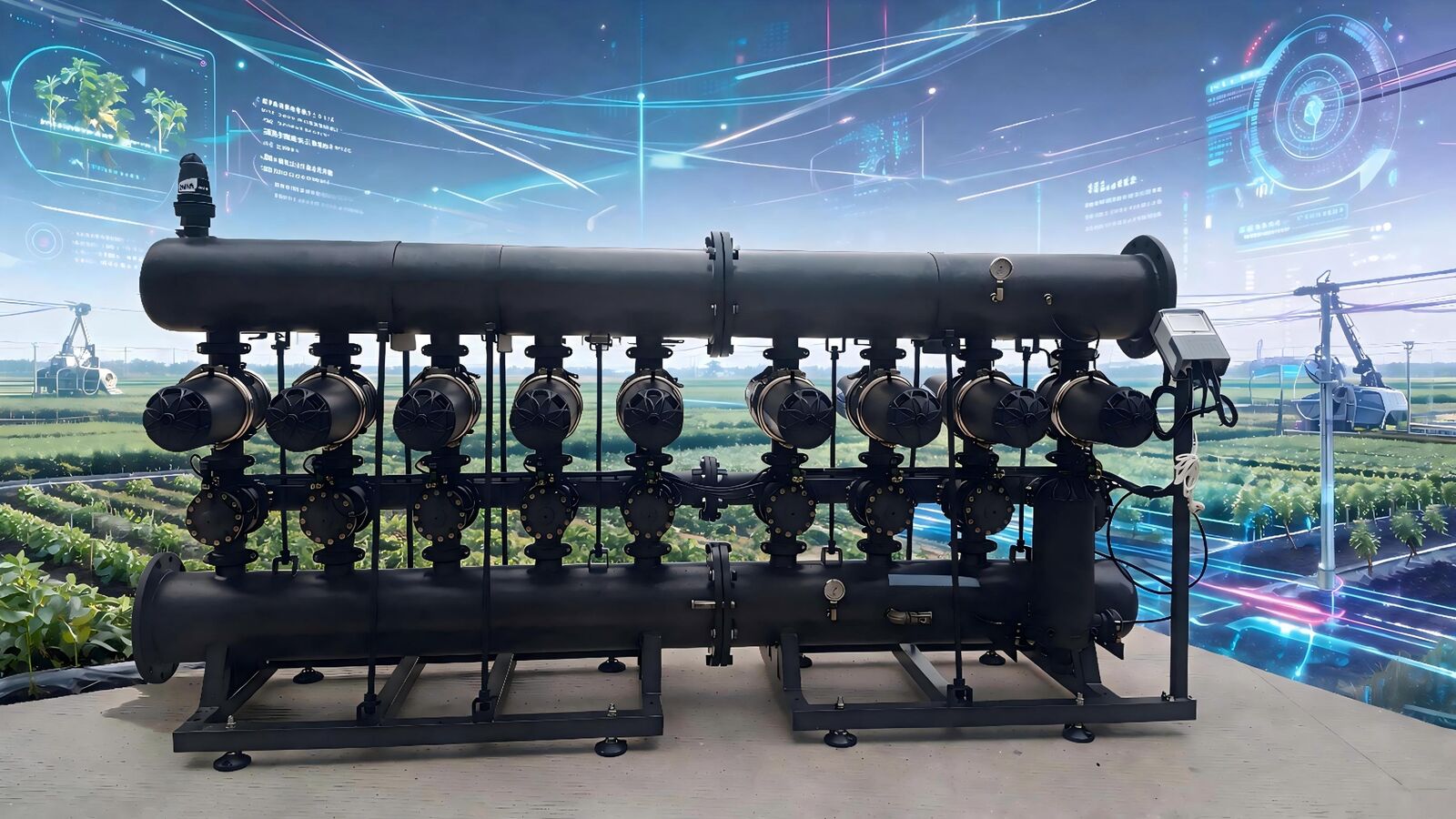
Core Function and Operating Principles of Irrigation Solenoid Valves
Global agriculture accounts for 70% of total freshwater withdrawals annually, per 2024 UN Food and Agriculture Organization (FAO) data, yet 60% of that water is wasted due to inefficient, manually operated irrigation systems. For commercial farms, vineyards, orchards, and rangeland operations, automated irrigation has emerged as the highest-ROI solution to cut waste, boost yields, and meet tightening environmental regulations—and the solenoid valve is the non-negotiable core component that makes precision flow control possible. 2024 USDA data confirms that U.S. farms deploying solenoid-driven automated irrigation systems reduce water application rates by 35% on average, while increasing crop yields by 17% for row crops and 22% for high-value specialty crops. Unlike manual valves that require on-site adjustment, solenoid valves respond in real time to signals from irrigation controllers, soil moisture sensors, weather stations, and remote management platforms, delivering consistent, measured water application 24/7 without constant labor input.
A solenoid valve for automated irrigation is an electromechanical flow control device that opens or closes in response to an electrical signal, eliminating the need for manual adjustment to start or stop water flow across irrigation zones. Unlike manual gate or ball valves, which rely on physical manipulation, solenoid valves use a magnetic coil to actuate a plunger that controls water pressure across a flexible diaphragm, triggering full valve opening or closure in 1–3 seconds.
Integration Into Automated Irrigation Architectures
In a standard automated irrigation setup, solenoid valves act as the "muscle" that executes decisions made by the system "brain" (the irrigation controller). Valves are installed on lateral lines feeding individual irrigation zones, sized to match the flow and pressure requirements of sprinklers, drip emitters, or micro-spray heads in that zone. Controllers send low-voltage electrical signals to the appropriate valve based on pre-set schedules, real-time soil moisture readings, evapotranspiration (ET) data from on-site weather stations, or rain sensor inputs to either open (start irrigation) or close (stop irrigation) the valve. 2023 Irrigation Association reliability data shows that properly sized and installed solenoid valves have a 99.2% actuation success rate over their rated service life, making them far more consistent than manual valve operation, which has a 28% human error rate for scheduling and flow adjustment per UC Davis research.
Key Internal Components That Drive Long-Term Reliability
An estimated 82% of solenoid valve failures trace to degraded or poorly manufactured internal components, per the 2023 Agricultural Irrigation Equipment Reliability Report. Farmers and irrigation installers should be able to identify the following core parts when evaluating valve options:
- Solenoid coil: The copper wire coil that generates a magnetic field when energized, pulling the plunger to actuate the valve; coils are rated for specific voltages (most commonly 24V AC or 9–12V DC latching) and sealed to prevent water intrusion.
- Plunger assembly: A spring-loaded magnetic pin that moves in response to the coil’s magnetic field, opening or closing a small pilot hole in the diaphragm to regulate pressure across the valve.
- Reinforced diaphragm: A flexible, chemical-resistant seal (most commonly EPDM, Viton, or rubber) that separates the upper and lower valve chambers; differential pressure across the diaphragm holds the valve closed when de-energized and lifts to allow flow when energized.
- Flow control knob: A manual adjustment on top of the valve that restricts maximum flow, reducing water hammer and allowing calibration to match zone flow requirements.
- Manual bleed screw: A small screw that manually releases pressure from the upper valve chamber to open the valve without an electrical signal, used for flushing lines, testing, or temporary operation during power outages.
- Corrosion-resistant valve body: The outer housing, constructed from glass-reinforced nylon, PVC, or brass, that contains internal components and connects to irrigation piping via threaded or barbed fittings.
Quantified Benefits of Solenoid Valves for Modern Agricultural Irrigation
While the upfront cost of solenoid valves and automated controls represents a small portion of total irrigation system investment (typically 5–8% of total system cost for a 100-acre row crop operation), the measured returns across water savings, labor reduction, yield gains, and compliance are unmatched by most other farm technology upgrades. Peer-reviewed research and on-farm data confirm the following tangible benefits:
Water Use Reduction and Direct Cost Savings
A 3-year (2021–2023) University of California, Davis study of 120 commercial almond orchards in the Central Valley found that systems using properly calibrated solenoid valves connected to soil moisture sensors reduced applied water by 47% compared to flood irrigation, and 29% compared to manually operated sprinkler systems. That translated to an average annual cost savings of $182 per acre in water and pumping costs, with a full return on investment for the solenoid valve and controller setup in 2.1 growing seasons for operations without high-value yield gains. Data from the Australian Bureau of Agricultural and Resource Economics and Sciences (ABARES) echoes these results, finding that solenoid-driven automated irrigation cuts energy costs for pumping by 32% on average, because reduced water volume means less runtime for diesel or electric pumps.
Labor savings are equally significant: the 2024 USDA Farm Labor Survey found that automated irrigation with solenoid valves reduces time spent on irrigation management by 73% for mid-sized row crop operations, freeing up 11+ hours per week per 100 acres for pest scouting, equipment maintenance, and harvest preparation. During the 2023 Midwest heat dome, Farm Journal survey data found that 68% of large-scale farms using solenoid-driven automated irrigation were able to adjust irrigation schedules within 1 hour via remote cloud platforms, compared to 12% of farms using manual valves, which required an average of 3 days of travel time to adjust valves across dispersed fields.
Precision Application to Boost Crop Yield and Quality
Consistent soil moisture is one of the largest drivers of crop yield and quality, and solenoid valves eliminate the human error that causes overwatering or underwatering during critical growth stages. A 2022 trial by the International Rice Research Institute (IRRI) in the Philippines found that solenoid-controlled alternate wetting and drying (AWD) irrigation systems reduced water use by 38% while increasing rice yields by 12% compared to continuous flooding, because the valves eliminated both overwatering (which causes root rot and nitrogen leaching) and underwatering (which causes panicle sterility during the reproductive growth stage).
For high-value specialty crops, the benefits are even more pronounced: 2023 data from the California Strawberry Commission found that solenoid-driven drip irrigation systems reduced fruit cull rates from 14% to 6% by maintaining consistent soil moisture levels between 22–25% volumetric water content, eliminating cycles of water stress and oversaturation that cause fruit splitting and gray mold. That reduction in cull rate translated to an average increase in gross revenue of $2,140 per acre for strawberry growers.
Reduced Nutrient Leaching and Environmental Compliance
U.S. EPA 2023 data shows that overwatering from inefficient irrigation causes 41% of agricultural nitrogen runoff into U.S. waterways, driving hypoxic zones in the Gulf of Mexico, Chesapeake Bay, and Central Valley watersheds. Farms found liable for nutrient runoff can face Clean Water Act fines of up to $37,500 per day, in addition to mandatory system upgrades. A 2024 study in the Journal of Environmental Quality found that solenoid valve systems tied to real-time sensor feedback reduce nitrogen leaching by 52% by applying only the water needed for crop uptake, preventing excess water from carrying fertilizers below the root zone and into adjacent waterways. For operations using recycled irrigation water, solenoid valves also enable precise chemical injection for fertigation and chemigation, reducing fertilizer and pesticide use by an average of 28% per University of Florida IFAS data.
Common Types of Solenoid Valves for Agricultural Irrigation Applications
Solenoid valves are not one-size-fits-all components: selecting the wrong type for a specific field condition, power source, or irrigation design can lead to premature failure, low application uniformity, and lost revenue. The table below compares the most common valve types used in commercial agricultural irrigation, with 2024 pricing, performance specifications, and ideal use cases:
| Valve Type | Typical Operating Voltage | Pressure Rating (PSI) | Flow Rate Range (GPM) | Ideal Use Case | Average 1-Inch Unit Cost (2024) | Expected Service Life (Years) | Relative Installation Complexity |
|---|---|---|---|---|---|---|---|
| 24V AC Normally Closed (NC) Plastic Globe Valve | 24V AC | 10–120 | 0.2–40 | Permanent row crop, orchard, or vineyard drip/sprinkler zones within grid power range | $18–$32 | 7–10 | Low |
| Latching DC Plastic Globe Valve | 9–12V DC (pulse signal) | 10–100 | 0.2–30 | Off-grid remote pasture, rangeland, or wildlife food plots with solar power | $28–$45 | 8–12 | Medium (requires battery/solar integration) |
| High-Pressure Brass Angle Valve | 24V AC / DC latching | 20–150 | 20–100 | Center pivot mainlines, large-acreage sprinkler zones, high-pressure pump outlets | $52–$95 | 12–18 | Medium (requires high-pressure rated fittings) |
| Low-Flow Pressure-Regulating Drip Valve | 24V AC / DC latching | 5–40 | 0.1–10 | High-value specialty crop drip, nursery container irrigation, research trial plots | $24–$42 | 6–9 | Low–Medium (requires pressure calibration for drip emitters) |
| Heavy-Duty Solenoid Valve with Manual Override | 24V AC | 15–120 | 5–60 | Small farms transitioning from manual to automated irrigation, mixed-use systems | $22–$38 | 8–11 | Low |
Key Type Differentiators to Understand
The 2024 Irrigation Association Industry Census found that 78% of permanent, grid-connected agricultural irrigation installations in the U.S. use 24V AC normally closed valves, which offer a fail-safe design: if power is lost, the valve automatically closes to prevent uncontrolled water flow and flooding. For off-grid locations, latching DC solenoid valves are the dominant choice, as they only require a 100-millisecond electrical pulse to open or close, rather than continuous power to stay open. 2023 off-grid irrigation survey data shows that latching solenoid valves reduce required solar panel and battery sizing by 72% compared to continuous-draw AC valves adapted for DC use, cutting off-grid system costs significantly. For low-pressure drip systems, pressure-regulating valves are non-negotiable: they reduce incoming line pressure to a consistent 15–25 PSI, preventing emitter blowout and ensuring uniform water application across the zone.
Material choice is another critical differentiator: glass-reinforced nylon plastic valves are lightweight, corrosion-resistant, and low-cost, making them ideal for high-salinity water or recycled wastewater applications, but they are more prone to freeze damage than brass variants. Brass valves offer higher pressure tolerance, greater resistance to sediment abrasion, and longer service life, making them the preferred choice for high-flow mainlines and regions with heavy sediment loads in surface water supplies.
Data-Backed Selection Criteria for Agricultural Irrigation Solenoid Valves
Selecting the right solenoid valve requires matching specifications to field hydraulics, power sources, water quality, and long-term cost goals, rather than choosing the lowest-upfront-cost option. The 2024 Irrigation Equipment Total Cost of Ownership (TCO) Report found that selecting valves based solely on lowest upfront price increased 10-year system maintenance costs by 41% on average, due to more frequent replacements and crop loss from unexpected failures.
Match Valve Specifications to Field Hydraulics
Hydraulic mismatch is the leading cause of reduced irrigation uniformity and premature valve failure. Use the following criteria when sizing valves for each zone:
- Flow rate alignment: Calculate total zone flow by multiplying the flow rate of each sprinkler/emitter by the total number of units in the zone. Undersizing valves causes pressure loss of up to 30% per Irrigation Association testing, which reduces application uniformity at the farthest emitters, while oversizing causes water hammer that can crack pipes and damage emitters. Select a valve with a rated flow range that includes your calculated zone GPM, leaving a 10% buffer for future emitter additions.
- Pressure rating buffer: Choose a valve with a maximum pressure rating at least 15% higher than the maximum static pressure in the supply line. 2023 field failure data shows that valves operating within 5% of their maximum pressure rating have a 4x higher failure rate than those with the recommended 15% safety buffer. For northern climates, select self-draining valve designs to reduce freeze damage: University of Minnesota Extension data shows self-draining valves reduce freeze-related cracking by 90% compared to non-draining models.
- Water quality compatibility: If using recycled wastewater, high-salinity groundwater, or surface water with high sediment loads, select valves with self-flushing diaphragms and EPDM or Viton seals. A 2022 University of Arizona study found that standard plastic solenoid valves exposed to high-sediment Colorado River water had 3x higher clogging rates than self-flushing models.
Confirm Power Source and Controller Compatibility
Coil and controller mismatch is a common and costly installation error: independent testing from Rain Bird and Netafim found that connecting a 24V AC coil to a latching DC controller will cause irreversible coil burnout within 10 seconds of activation. For off-grid sites, calculate power draw to size batteries and solar panels appropriately: latching valves draw only 0.5 watts per 100ms pulse to actuate, compared to 4–6 watts continuous draw for AC valves, meaning a 10Ah 12V battery can power 20 latching valves for 6+ months without charging, per solar irrigation equipment manufacturer Sol-Lev. For wired AC systems, limit wire runs to avoid voltage drop: use 16-gauge wire for runs under 200 feet, and 14-gauge wire for runs over 200 feet to maintain the 22–26V required to reliably actuate AC coils.
Prioritize Certifications and Environmental Protection Ratings
Look for third-party certifications to ensure long-term reliability:
- NSF/ANSI 61 certification for valves used with potable water supplies, to ensure materials do not leach harmful chemicals into water lines.
- IP67 ingress protection rating for solenoid coils, which allows temporary submersion in up to 3 feet of water without damage. UF/IFAS data shows valves with IP67-rated coils have a 68% lower failure rate in regions with more than 30 inches of annual rainfall, compared to valves with standard IP54-rated coils.
- UL listing for electrical components to reduce fire risk from electrical faults in dry, high-fire-risk agricultural regions.
Real-World Deployment Examples and Measured Outcomes
To illustrate the real-world impact of properly selected and installed solenoid valves, the following case studies draw on 2022–2023 on-farm data from three distinct operation types across the U.S.:
Example 1: 120-Acre Almond Orchard, Fresno County, California
Prior to 2021, this conventional almond orchard used manually operated solid-set sprinkler irrigation, requiring farm staff to spend 12 hours per week adjusting valves across 24 irrigation zones. The farm applied 48 inches of water per year, with 18% of trees showing visible signs of overwatering, including Phytophthora root rot and reduced nut set. The operation retrofitted each zone with 1-inch 24V AC normally closed solenoid valves, connected to a cloud-based controller tied to 12 soil moisture sensors installed at 12-inch and 24-inch root zone depths, plus an on-site weather station to adjust irrigation based on real-time ET data. Outcomes after two growing seasons included:
- 44% reduction in applied water (from 48 inches to 27 inches annually), saving 672 acre-feet of water worth $94,080 at the 2023 Central Valley water price of $140 per acre-foot
- 83% reduction in irrigation labor time (from 12 hours/week to 2 hours/week), saving $8,944 annually at a $22/hour farm labor rate
- 17% increase in almond yield (from 2,200 lbs/acre to 2,574 lbs/acre), adding $179,520 in annual gross revenue at a $4/lb farm-gate almond price
- Total installation cost of $82,000, with a payback period of 0.46 growing seasons (less than 6 months) from combined water, labor, and yield gains
Example 2: 40-Acre Off-Grid Cattle Pasture, Eastern Wyoming
Before 2022, this remote cattle ranch used a gravity-fed flood irrigation system supplied by a solar-powered well, requiring ranch hands to make a 4-hour round trip from the main ranch house to open and close manual valves every 3 days during the growing season. 2021 rangeland health assessments found 62% of applied water was lost to uncalibrated runoff, with forage production limited by inconsistent soil moisture. The ranch installed 2-inch latching DC solenoid valves across 8 irrigation zones, paired with solar-powered controllers, soil moisture sensors, and remote cellular monitoring. Outcomes after two growing seasons included:
- 54% reduction in pumped water requirements, as irrigation application efficiency increased from 38% to 82%, allowing the ranch to add 28 head of cattle to the pasture without expanding water access
- 97% reduction in irrigation labor time (from 21 hours/week to 0.5 hours/week of remote monitoring), saving 328 hours of labor annually worth $8,200 at a $25/hour ranch labor rate
- 65% increase in forage production (from 1,200 lbs/acre to 1,980 lbs/acre), reducing annual hay feeding costs by $14,400
- Total system cost of $17,200, with a payback period of 0.76 growing seasons
Example 3: 8-Acre Organic Strawberry Farm, Hillsborough County, Florida
Pre-2023, this certified organic strawberry operation used manually operated drip irrigation, with frequent overwatering during summer rain events leading to a 16% fruit cull rate from gray mold and root rot. Runoff tests found 22% of applied irrigation water was leaving field ditches with elevated organic fertilizer levels, putting the farm at risk of FDACS water quality fines. The farm installed low-flow pressure-regulating solenoid valves connected to a controller paired with tipping-bucket rain sensors and soil moisture sensors, programmed to pause irrigation if 0.25 inches of rain fell in a 24-hour period and maintain root zone moisture at 22–25% volumetric water content. Outcomes after one growing season included:
- 41% reduction in total irrigation water use, saving $1,280 in annual pumping costs
- 64% reduction in fruit cull rate (from 16% to 5.8%), increasing marketable yield by 12.2% and adding $18,900 in annual revenue at a $9 per flat organic strawberry price
- 57% reduction in nutrient runoff, bringing the farm into full compliance with state water quality rules and avoiding an estimated $12,000 in potential annual fines
- Total system cost of $6,800, with a payback period of 0.34 growing seasons (approximately 4 months)
Installation Best Practices to Maximize Solenoid Valve Lifespan and Performance
Even high-quality solenoid valves will fail prematurely if installed incorrectly. Industry data shows that 38% of early valve failures (within the first 2 years of service) are caused by poor installation practices, rather than manufacturing defects.
Pre-Installation Preparation and Placement
Follow these placement rules to reduce failure risk:
- Install valves a minimum of 6 inches above the recorded high water table to prevent long-term coil submersion. UF/IFAS data shows valves installed below the high water table have a 79% higher coil burnout rate due to water intrusion over time.
- Install a 100-mesh Y-strainer upstream of every solenoid valve, regardless of water source. Strainers reduce diaphragm clogging from sediment, debris, and scale by 88%, extending average valve service life by 4 years per 2023 maintenance trial data.
- Group valves in centralized, lidded valve boxes for each 1–5 acre zone to reduce wire runs and simplify maintenance; avoid placing valve boxes in low-lying areas that collect sediment, runoff, or standing water.
- Label every valve with its corresponding zone number, design flow rate, and installation date to simplify troubleshooting and reduce maintenance time.
Wiring and Electrical Setup
Electrical faults are the second leading cause of early valve failure:
- Use direct-burial, UV-rated irrigation wire for all underground runs; avoid using standard household electrical wire, which degrades in soil over time and causes short circuits.
- Install a UL-listed surge protector at the irrigation controller to protect coils from lightning strikes and grid power surges. A $45 surge protector reduces coil damage from surges by 92% per 2022 data from lightning-prone regions in the U.S. Midwest.
- Apply dielectric grease to all wire connections to prevent corrosion from soil moisture; corroded connections are responsible for 31% of low-voltage faults that prevent valve actuation per Irrigation Association data.
- For latching DC valves, confirm wire polarity before connecting coils, as reversed polarity will prevent the valve from actuating even if power is supplied.
Post-Installation Calibration and Testing
After completing physical and electrical installation, follow this step-by-step testing protocol before putting the system into full operation:
- Manually open each valve using the built-in bleed screw to flush line sediment and installation debris for 2–3 minutes, preventing debris from catching under the diaphragm and causing leaks.
- Activate each valve one at a time via the controller, checking for leaks at fittings, confirming flow rate matches zone design specifications, and measuring pressure at the farthest emitter to ensure 90%+ application uniformity across the zone.
- Adjust the flow control knob on each valve to the design flow rate, rather than leaving the valve fully open. Manufacturer testing shows this adjustment reduces water hammer by 60%, preventing pipe damage and emitter blowout.
- Simulate a power outage by disconnecting power to the controller, confirming that normally closed valves fully close within 3 seconds to prevent uncontrolled water flow.
- Test all sensor integrations: pour water on soil moisture sensors and simulate rain events on rain sensors to confirm valves shut off as programmed, rather than continuing to irrigate during natural precipitation.
Proactive Maintenance Protocols to Reduce Downtime and Costly Failures
The average cost of an in-season solenoid valve failure for a high-value crop is $1,240 per zone per day of downtime, from crop water stress, reduced yield, and emergency repair labor costs, per 2024 data from the Specialty Crop Alliance. Proactive maintenance reduces in-season failures by 83%, making it one of the highest-return activities for irrigation system management.
Scheduled Maintenance Tasks by Frequency
Align maintenance activities with growing season timelines to avoid disruption:
- Quarterly (growing season): Inspect valve boxes for standing water, clear accumulated debris from upstream strainers, check for leaks around valve seals, and manually cycle each valve on and off 2–3 times to prevent plunger sticking from mineral buildup. Quarterly manual cycling reduces valve sticking failures by 74% per maintenance trial data.
- Annually (pre-growing season): Test coil resistance with a multimeter (a healthy 24V AC coil should read 20–60 ohms; readings outside this range indicate impending coil failure that should be replaced before the season starts), inspect diaphragms for tears or mineral buildup, replace worn O-rings, and re-apply dielectric grease to wire connections. Pre-season testing reduces in-season valve failures by 83% per Irrigation Association data.
- Every 5 years: Proactively replace diaphragms and O-rings in plastic valves, even if no damage is visible. Diaphragm material degrades over time from exposure to chlorine, salts, and UV radiation, and proactive replacement eliminates 70% of unexpected age-related valve failures.
Troubleshooting Common Solenoid Valve Failures
When failures do occur, use the following field data to prioritize diagnostic steps, ordered by frequency of root cause:
- Valve fails to open: 62% of cases stem from low voltage due to broken wires or corroded connections; 21% from a clogged inlet strainer blocking flow to the pilot chamber; 12% from a burned-out coil; 5% from a torn diaphragm preventing pressure differential.
- Valve fails to close: 48% of cases are caused by debris caught under the diaphragm preventing a full seal; 27% from a stuck plunger due to mineral buildup; 18% from supply pressure too low to seat the diaphragm; 7% from reversed polarity on latching DC valves.
- Valve leaks when closed: 71% of cases stem from a worn diaphragm or cracked seal; 19% from debris lodged on the diaphragm seat; 10% from a cracked valve body due to freeze damage or water hammer.
Future Trends in Solenoid Valve Technology for Automated Irrigation
As global water scarcity and regulatory requirements for irrigation efficiency tighten, solenoid valve technology is evolving to deliver greater precision, lower power use, and more integrated data collection. A 2024 MarketsandMarkets report projects that the global market for agricultural irrigation solenoid valves will grow at a 12.8% CAGR through 2030, reaching $1.27 billion in annual sales, driven by the following innovations:
Smart Solenoid Valves with Edge Computing Capabilities
Newer generation smart solenoid valves integrate built-in flow meters, pressure sensors, and leak detection directly into the valve body, eliminating the need for separate sensors across irrigation zones. These valves use edge computing to adjust flow rates automatically, detect leaks in real time, and send alerts to farm managers via cellular connection, rather than relying on a central controller to make decisions. Early field trials of these smart valves found they reduce leak-related water loss by 91% compared to standard solenoid valves, as leaks are detected and isolated within seconds rather than days.
Energy-Harvesting, Zero-Power Valves
For remote off-grid locations, new energy-harvesting solenoid valves use micro-turbines built into the valve body to generate enough power from flowing water to actuate the valve, eliminating the need for wired power, batteries, or solar panels. Early trials by Netafim show these valves reduce installation costs for remote rangeland sites by 45% by eliminating wiring and solar infrastructure, while delivering the same reliability as latching DC valves.
Chemically Resistant Valves for Recycled and Saline Water
USDA projections indicate 22% of U.S. farms will use recycled wastewater or brackish saline water for irrigation by 2030, as freshwater supplies become more limited and expensive. To meet this demand, manufacturers are developing solenoid valves with specialized Viton and fluoropolymer diaphragms and seals that resist degradation from chlorine, salts, and agricultural chemicals. Independent testing shows these new materials have 3x longer service life when exposed to recycled water compared to standard rubber diaphragms, reducing long-term maintenance costs for farms using non-freshwater supplies.
Calculating ROI for Solenoid Valve Upgrades
For farm operators evaluating solenoid valve upgrades for automated irrigation, the simple payback formula below provides a clear picture of expected returns:
Payback Period (years) = Total upfront cost of valves, installation, and controls / (Annual water cost savings + Annual labor savings + Annual yield revenue gains + Annual avoided compliance fines and repair costs)
2024 Irrigation Association survey data from 500 U.S. farms that installed solenoid-driven automated irrigation found an average payback period of 1.8 years, with a 10-year average return of $4.27 for every $1 invested in the system. Unlike many farm technology upgrades that require ongoing software subscriptions or specialized technical skills to maintain, solenoid valves are simple, durable components that deliver consistent, measurable returns across operation types, crop types, and geographies, making them a foundational investment for any farm looking to improve irrigation efficiency and long-term profitability.