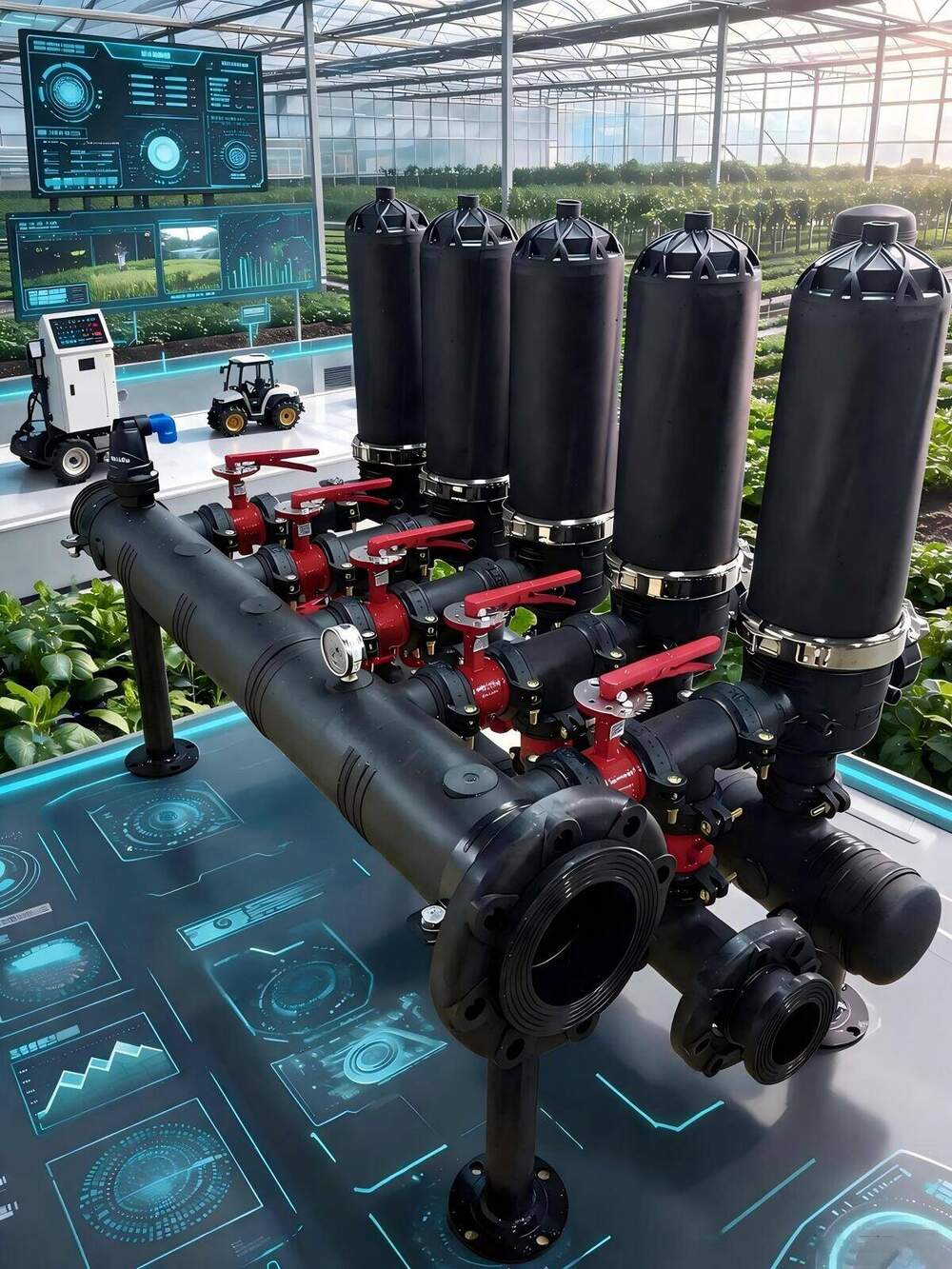
Solar Powered Irrigation Pumps: The Complete 2024 Guide for Agricultural Operations
Global agricultural production faces unprecedented pressure: the UN Food and Agriculture Organization (FAO) projects food demand will rise 50% by 2050 as global populations grow, while 40% of global cropland faces moderate to severe water stress, and energy costs for irrigation have risen 62% since 2020, per 2024 International Renewable Energy Agency (IRENA) data. Irrigation accounts for 70% of global freshwater withdrawals and 20-30% of total on-farm operating costs for most commercial operations, creating a critical need for low-cost, reliable, climate-resilient irrigation solutions. Solar powered irrigation pumps (SPIPs) have emerged as a high-ROI technology for smallholder farms and large commercial operations alike, with global installed capacity reaching 12.7 GW in 2023, an 18% year-over-year increase from 2022. This guide breaks down core system design, quantifiable benefits, real-world performance data, cost comparisons, best practices for installation and maintenance, and future trends to help agribusiness leaders and producers evaluate SPIPs for their operations.
What Is a Solar Powered Irrigation Pump, and How Does It Work?
A solar powered irrigation pump is an off-grid or hybrid water pumping system that uses electricity generated by photovoltaic (PV) solar panels to move water from wells, boreholes, rivers, ponds, or canals to crop irrigation zones, livestock watering systems, or on-farm storage reservoirs. Unlike fossil fuel-powered pumps that require ongoing purchases of diesel or gasoline, or grid-powered pumps that are vulnerable to outages and volatile electricity rates, SPIPs generate power on-site with zero marginal fuel cost, drawing on freely available solar radiation during daylight hours.
Core System Components
All functional SPIPs share five core components, with variations for specific use cases and water sources:
- Photovoltaic (PV) solar array: Made up of individual silicon-based solar panels that convert sunlight to direct current (DC) electricity. Panels used for agricultural applications are typically rated for 400-550W each, with a 25-year performance warranty guaranteeing at least 80% of rated output after a quarter-century of use.
- Maximum Power Point Tracking (MPPT) controller: The “brain” of the system, which adjusts electrical voltage and current to maximize power output from the PV array under varying light conditions, boosting overall pump efficiency by 20-30% compared to non-MPPT controllers. MPPT units also include safety shutoffs to prevent pump damage from dry running, overvoltage, or overcurrent.
- Pump end: The mechanical water-moving component, available in DC (direct connect to PV panels) or AC (requires an inverter for grid/battery compatibility) designs, sized to match required flow rates and total dynamic head (TDH: vertical lift + friction loss in pipes).
- Distribution network: Piping, filters, pressure regulators, and irrigation emitters (drip lines, micro-sprinklers, center pivot connections) that move pumped water from the source to crop zones.
- Optional add-ons: Battery banks for after-hours pumping, grid interconnection hardware for hybrid operation, elevated or in-ground water storage, and smart sensors (soil moisture, weather, flow meters) for automated irrigation scheduling.
Core Operational Models
SPIPs are deployed in three primary operational configurations, matched to farm size, water source, and reliability requirements:
- Off-grid direct-coupled systems: The most common configuration for smallholder operations, with no battery or grid connection, pumping water only during daylight hours, typically into an on-farm storage tank to provide water for irrigation outside of sun hours. These systems have the lowest upfront cost and fewest maintenance requirements.
- Off-grid battery-backed systems: Include a lithium-ion or lead-acid battery bank to store excess solar generation for pumping during cloudy periods or at night, ideal for high-value crops with critical irrigation timing requirements.
- Hybrid grid-tied systems: Connected to the local electrical grid, allowing the pump to draw grid power when solar generation is insufficient, and to export excess solar power to the grid via net metering programs to generate additional farm revenue. These systems are the most popular for large commercial operations in regions with reliable grid access.
Quantifiable Benefits of Solar Powered Irrigation Pumps for Agricultural Operations
Peer-reviewed research and on-farm performance data from more than 5 million deployed SPIPs globally demonstrate consistent, measurable economic, agronomic, and environmental benefits across operation sizes and agroclimatic zones.
Long-Term Cost Reduction vs. Fossil Fuel and Grid-Powered Alternatives
The most frequently cited benefit of SPIPs is dramatic reduction in lifetime irrigation costs, driven by zero fuel costs, minimal maintenance requirements, and long system lifespans. 2023 World Bank analysis of 42,000 SPIP deployments across 18 countries found that a typical 5HP SPIP delivers a 75% reduction in lifetime energy costs compared to an equivalent diesel pump, with payback periods of 2-4 years for most smallholder operations and 3-6 years for large commercial farms. USDA 2022 farm energy survey data puts that savings in concrete terms for US producers: farms using diesel irrigation pumps spent an average of $127 per acre-foot of water pumped in 2021, compared to just $19 per acre-foot for solar-powered pumps, when accounting for maintenance, replacement parts, and equipment depreciation over a 25-year system lifespan.
Additional cost savings accrue for remote farms located far from fuel depots or grid connections. The World Bank found that transport costs add 30-50% to diesel pump operational costs for farms located 20+ km from the nearest fuel supplier, a burden that is entirely eliminated by on-site solar generation. For farms located far from existing grid infrastructure, the US Department of Energy estimates that extending three-phase grid power to remote irrigation sites costs $15,000-$25,000 per mile, making SPIPs a lower-cost option even before accounting for ongoing electricity costs. SPIPs also have 60% fewer moving parts than diesel pumps, leading to 45% lower annual maintenance costs per IRENA 2024 data.
Improved Climate Resilience and Reduced Carbon Emissions
As climate change increases the frequency of extreme heat events, droughts, and grid outages, SPIPs provide a reliable, on-site power source that is not vulnerable to fuel supply chain disruptions or grid failures. A 2022 Texas A&M AgriLife Extension survey of farms affected by the 2021 Texas winter grid failure – which left 30% of the state’s irrigated cotton and corn acreage without power for 3-7 days during critical planting season – found that farms with SPIPs reported 0% crop loss related to water access, compared to an average of 22% crop loss for farms relying solely on grid power or diesel pumps (which were often unable to access fuel during the crisis).
The climate mitigation benefits of SPIPs are equally significant. The IPCC’s 2023 Agricultural Mitigation Report found that replacing a single 5HP diesel irrigation pump with a solar equivalent prevents 4.2 tons of CO2 emissions annually, equal to taking 0.9 gasoline-powered passenger vehicles off the road each year. For US producers, these avoided emissions qualify for agricultural carbon credit programs, with the 2024 USDA Carbon Markets Report noting that farms can earn $12-$28 per ton of avoided CO2 emissions, generating $50-$117 in annual passive revenue per 5HP SPIP.
Increased Water Use Efficiency When Paired With Smart Controls
Contrary to common critiques that SPIPs encourage over-pumping due to zero marginal energy cost, data shows that properly designed SPIPs paired with smart irrigation controls reduce overall agricultural water use. FAO 2023 analysis found that SPIPs integrated with soil moisture sensors and drip irrigation reduce total water withdrawals by 32% compared to flood irrigation powered by diesel or grid pumps, because variable solar output aligns with crop water demand, and automated controls eliminate the common practice of running diesel/grid pumps at full capacity for long periods to minimize fuel or electricity purchase trips.
Additional secondary benefits documented in peer-reviewed studies include:
- 10-12 hours per week of reduced labor time for smallholder farmers, who no longer need to travel to purchase fuel, perform frequent engine repairs, or coordinate pump access during limited grid operating windows
- Eligibility for climate-smart agriculture certification, which can generate 5-15% price premiums for crops sold to sustainable food supply chains
- Eliminated risk of fuel spills that can contaminate soil and local water sources, a risk present in 14% of diesel pump deployments per 2023 US Environmental Protection Agency data
Solar Powered Irrigation Pump System Comparison: Core Types and Use Cases
SPIPs are not a one-size-fits-all solution, with four primary system designs optimized for specific water sources, lift requirements, and operational goals. The table below compares 2024 cost and performance data for 5HP-equivalent systems, the most common size for small to mid-sized farm operations:
| System Type | Ideal Use Case | Maximum Lift/Head | Typical Flow Rate Range | Average Upfront Cost (2024, 5HP) | Average Component Lifespan | Estimated Annual Operational Cost |
|---|---|---|---|---|---|---|
| Submersible Solar Pump | Deep wells, boreholes, groundwater sources for field crop, orchard, and vineyard irrigation | 200-700 ft | 5-150 GPM | $8,500-$18,000 | 25 years (PV panels), 10-15 years (pump end) | $150-$300 |
| Surface Solar Pump | Shallow ponds, rivers, canals, water transfer between storage tanks, flood or furrow irrigation | 10-100 ft | 10-250 GPM | $5,200-$11,000 | 25 years (PV panels), 8-12 years (pump end) | $100-$220 |
| Floating Solar Pump | On-reservoir deployment, aquaculture operations, evaporation reduction in arid regions | 20-120 ft | 8-200 GPM | $10,000-$21,000 | 25 years (PV panels), 10-14 years (pump, float array) | $120-$270 |
| Hybrid Solar-Grid/Battery Pump | High-value fruit/nut/vegetable operations, regions with extended cloudy periods, 24/7 irrigation demand | 100-650 ft | 7-220 GPM | $11,000-$22,500 | 25 years (PV panels), 10-15 years (pump, 7-10 year battery replacement cycle) | $250-$550 |
Sizing a Solar Pump to Match Farm Irrigation Requirements
Proper sizing is the single most important factor in achieving expected ROI and reliability from a SPIP. An undersized system will not deliver enough water during peak crop demand, while an oversized system wastes capital on unnecessary PV panel and pump capacity. Follow this four-step, data-driven sizing process, aligned with Irrigation Association best practices:
- Calculate daily crop water demand: Use local extension evapotranspiration (ET) data to determine peak daily water requirements for your crop and soil type. For example, a 10-acre corn field in central Iowa requires 0.25 inches of water per day during peak tasseling season, equal to 67,850 gallons of total daily water demand (1 acre-inch = 27,154 gallons).
- Measure total dynamic head (TDH): Calculate the total vertical lift from the water source surface to the highest irrigation point, plus friction loss from piping, filters, and valves, plus required operating pressure for your irrigation system. For a 120 ft deep well with 15 ft of elevation gain to a drip irrigation zone and 10 ft of friction/pressure loss, TDH is 145 ft.
- Account for local solar irradiance: Use the free NREL PVWatts calculator to find average peak sun hours (PSH) during your primary irrigation season. In central Iowa, average PSH is 4.7 per day during the May-September growing season, meaning the pump must deliver 67,850 / 4.7 = 14,436 gallons per hour (240 GPM) during sun hours to meet demand, when paired with minimal water storage.
- Size PV array and pump capacity: Select a pump that delivers the required flow rate at your calculated TDH, then size the PV array to deliver 110% of the pump’s rated power requirement to account for high temperatures, panel soiling, and occasional cloudy days. For the Iowa corn example, a 7.5HP submersible DC pump paired with a 9.2 kW PV array will deliver 245 GPM at 150 ft TDH, meeting demand with a sufficient safety buffer.
Real-World Solar Powered Irrigation Pump Deployments: Measured Outcomes
The performance of SPIPs is well documented across operation sizes and geographies, with consistent ROI and yield improvements when systems are properly sized and installed. The three case studies below represent typical outcomes for smallholder, commercial, and cooperative operations.
Smallholder Maize and Bean Farm, Western Kenya
A 3-acre smallholder farm in Kakamega County, Western Kenya, previously relied on a 2HP diesel pump to draw water from a 60 ft deep borehole for maize production. Before SPIP installation in 2021, the farm operator spent 35% of gross farm income on diesel fuel, traveling 2 km each way to the nearest fuel depot, and performing frequent engine repairs that left the pump non-functional for an average of 12 days per growing season. The farm installed a 2HP submersible SPIP with 1,000 gallons of elevated water storage, supported by the World Bank’s Kenya Solar Irrigation for Agricultural Resilience (K-SIAR) program, which provided a 30% upfront grant and a 4% interest 5-year loan for the remaining cost.
Measured 2023 outcomes, compared to 2020 pre-installation baseline:
- Maize yields increased from 18 bags per acre to 37 bags per acre, as reliable irrigation eliminated water stress during critical silking stages; the farm added a second off-season bean crop, generating $680 in additional annual revenue
- Annual irrigation costs fell from $412 (fuel + maintenance) to $82 (only filter replacements and annual electrical connection inspections), an 80% reduction
- Total farm net income increased from $1,120 to $3,780 per year, delivering a 2.1 year payback period for the system
- Labor time spent on fuel transport and pump repairs fell by 11 hours per week, which the household used to expand a 0.5 acre kitchen vegetable plot generating an extra $420 per year in local market sales
420-Acre Almond Orchard, Central Valley, California
A 420-acre almond orchard in Fresno County, California, previously relied on 100HP of grid-powered centrifugal pumps to run a micro-sprinkler irrigation system. Between 2018 and 2023, agricultural electricity rates in the region rose 41% per California Public Utilities Commission data, and persistent drought increased water district fees by 35% over the same period. During the 2021 drought, the farm lost $89,000 in almond yield after a 2-day grid outage during a 108°F heat event left irrigation systems non-functional during critical nut fill stage. In 2022, the farm installed a 125 kW hybrid solar-grid SPIP with 50 kWh of battery backup, integrated with soil moisture sensors and a smart irrigation controller, receiving a 22% upfront cost reduction via California’s Solar on Agricultural Lands incentive program.
Measured 2023 outcomes, compared to 2021 pre-installation baseline:
- Annual irrigation energy costs fell from $78,400 to $12,900, an 83.5% reduction, with $1,200 in annual net metering revenue from excess solar generation exported to the grid
- Smart controller integration reduced total water application by 28%, saving $21,700 in water district fees in 2023
- During the 2023 3-day rolling grid outage during a record heat dome event, the solar + battery system kept irrigation running continuously, preventing an estimated $126,000 in crop loss (UC Agriculture and Natural Resources data shows 15-20% almond yield loss if irrigation is interrupted for 48+ hours during 105°F+ temperatures)
- Total system payback period is projected at 4.2 years, with a 22% annual return on investment over the 25-year system lifespan
120-Farmer Vegetable Cooperative, Odisha, India
A 120-farmer cooperative in Ganjam District, Odisha, farms 187 acres of tomato, okra, and chili, previously relying on 12 shared 5HP diesel pumps to draw water from a nearby irrigation canal. Frequent fuel shortages during monsoon season, rising diesel costs, and frequent pump breakdowns led to average annual crop losses of 22% from delayed irrigation, with smallholder members spending an average of 23% of crop revenue on irrigation costs. In 2020, the cooperative installed three 10HP surface SPIPs paired with a 200,000 gallon elevated storage tank and community drip irrigation network, with 60% of upfront costs covered by the Indian government’s PM-KUSUM solar irrigation subsidy scheme.
Measured 2023 outcomes, compared to 2019 pre-installation baseline:
- Average vegetable yields increased from 6.2 tons per acre to 11.8 tons per acre, thanks to reliable, timely irrigation and reduced soil erosion from flood irrigation
- Annual irrigation costs per farmer fell from $218 to $47, a 78% reduction, with crop losses from irrigation delays falling to 0.2% of total production
- Collective cooperative revenue increased 212% from 2019 levels, allowing the cooperative to hire three full-time farm advisors and build a community seed bank for drought-tolerant vegetable varieties
- Excess solar generation sold to the local grid via net metering generates $3,200 per year in collective revenue, used to fund farm input grants for low-income cooperative members
Common Misconceptions and Challenges of Solar Irrigation Pumps, With Data-Backed Solutions
While SPIPs deliver strong ROI for most operations, misinformation and unaddressed structural challenges have slowed adoption in some regions. The following breakdown addresses the most common misconceptions and real challenges, with evidence-based solutions.
Misconception 1: High Upfront Costs Make SPIPs Unaffordable for Small Operations
The most frequently cited barrier to SPIP adoption is perceived high upfront cost, but dramatic declines in PV panel and pump costs over the past decade, combined with widespread incentive programs, have made SPIPs accessible for even low-income smallholder farmers. IRENA 2024 data shows that global solar PV panel costs have dropped 90% since 2010, with total SPIP system costs falling 62% over the same period. A range of financing and incentive programs further reduce cost burdens:
- India’s PM-KUSUM scheme has subsidized 3.2 million SPIPs as of 2024, covering 50-60% of upfront costs for smallholder farmers, with low-interest loans for the remaining balance
- USDA’s Rural Energy for America Program (REAP), expanded via the 2023 Farm Bill, covers 25-50% of SPIP costs for US farms, with an extra 10% bonus for farms located in energy opportunity zones, supported by $1 billion in annual funding through 2028
- Pay-as-you-go (PAYG) SPIP models deployed across Sub-Saharan Africa allow farmers to make monthly payments of $15-$30 over 3-5 years, which is 40-50% less than average monthly diesel costs, eliminating the need for large upfront payments (World Bank, 2023)
For most operations, monthly financing payments for a SPIP are lower than average monthly diesel or grid electricity costs, meaning the system delivers positive cash flow from the first month of operation.
Misconception 2: SPIPs Only Operate in Full, Direct Sun
A common myth is that SPIPs are non-functional on cloudy days or in cool, high-rainfall regions, but modern MPPT controllers operate at 90% efficiency even in partly cloudy conditions, delivering 30-40% of rated output during heavy overcast conditions. A 2023 University of Nebraska-Lincoln study of SPIP deployments in eastern Nebraska – which averages 65 partly cloudy days during the May-September growing season and 32 inches of annual rainfall – found that SPIPs paired with 3 days of on-farm water storage delivered 97% of required irrigation demand without backup power. Contrary to assumptions, PV panels operate 10-15% more efficiently at temperatures below 77°F, meaning cool, high-altitude farms often see better long-term panel performance than hot, arid farms where high temperatures reduce panel efficiency. For regions that see more than 5 consecutive heavily overcast days per month during irrigation season, adding a small battery bank or hybrid grid/diesel backup eliminates reliability gaps for a 15-20% increase in upfront cost.
Real Challenge: Groundwater Overextraction Risk in Unregulated Regions
The most well-documented risk of unregulated SPIP deployment is accelerated groundwater overextraction, since zero marginal pumping cost can create an incentive to pump more water than crops require. FAO 2023 data found that unregulated SPIP deployments in parts of Gujarat, India, led to a 19% increase in groundwater extraction between 2015 and 2020, dropping water tables by 1.2 meters per year in some administrative blocks. However, this risk is not inherent to SPIP technology, and can be nearly eliminated with targeted policy and design standards:
- Mandate smart metering with enforceable groundwater extraction limits for subsidized SPIPs: Regulated blocks in Gujarat that implemented this requirement saw a 28% reduction in groundwater extraction between 2020 and 2023, while maintaining crop yield gains from reliable irrigation
- Tie SPIP subsidies to mandatory adoption of micro-irrigation (drip, micro-sprinkler) systems, which cut water use by 30-60% compared to flood irrigation; a 2024 World Bank analysis found that this requirement eliminates overextraction risk in 90% of deployments
- Implement net metering programs that allow farmers to sell excess solar generation to the grid, creating a financial incentive to reduce unnecessary pumping rather than pumping water with no economic value
- Pair SPIPs with automated soil moisture sensors that shut off pumps when soil reaches field capacity, reducing unnecessary pumping by 35% on average
Real Challenge: Maintenance Access Gaps in Remote Regions
IRENA 2024 field surveys found that 18% of deployed SPIPs in remote Sub-Saharan African communities were non-functional as of 2022, due to poor initial installation, lack of local maintenance technicians, and reliance on proprietary replacement parts. However, targeted interventions reduce this non-functional rate dramatically: a 2023 solar technician training program in Tanzania trained 240 local community members as certified SPIP installers and repair technicians, reducing local SPIP non-functional rates to 3% within 18 months. Standardized, modular SPIP components that are not proprietary to a single manufacturer reduce replacement part costs by 55%, making local repairs fast and affordable. For farms in remote regions, selecting SPIPs from manufacturers with local service networks and 10+ year warranties on pump ends minimizes downtime risk.
Step-by-Step Guide to Installing and Maintaining a Solar Powered Irrigation Pump for Maximum ROI
Following evidence-based installation and maintenance practices ensures SPIPs deliver expected performance over a 25-year lifespan, maximizing return on investment.
Pre-Installation Due Diligence (0-3 Months Before Purchase)
- Conduct a full water audit and site assessment: Measure sustainable water source yield (to ensure wells/aquifers can deliver required flow without long-term depletion), calculate TDH and peak crop water demand, and use NREL PVWatts to confirm local peak sun hours meet minimum system requirements (4+ PSH per day during irrigation season for off-grid systems).
- Verify permitting and incentive eligibility: Check county agricultural zoning requirements, grid interconnection rules for hybrid systems, and available federal/state/non-profit incentives, which can reduce upfront costs by 25-60%. For US farms, coordinating with local USDA Rural Development offices can streamline REAP grant applications, cutting approval times by 3-4 months.
- Select certified, application-appropriate equipment: Prioritize PV panels certified to IEC 61215 (tested for durability in agricultural environments, including resistance to wind, hail, and dust) and pumps certified to ISO 9906 (independently tested flow and head performance). The Irrigation Association’s 2023 equipment testing found that uncertified, off-brand panels have a 3x higher failure rate in high-dust agricultural settings, leading to 40% higher long-term costs.
Installation Best Practices to Avoid Costly Failures
- Mount PV arrays on corrosion-resistant galvanized steel or aluminum elevated mounts, positioned a minimum of 3 feet above ground level to avoid damage from floodwater, livestock, and dust accumulation, and angled to match local latitude for maximum annual sun exposure.
- Install the MPPT controller within 20 feet of the PV array to minimize DC power line loss, and house it in a weatherproof, lockable enclosure to prevent damage from rain, rodents, and unauthorized access.
- Use pressure-rated NSF-approved polyethylene or PVC piping for distribution lines, with pressure relief valves installed at the pump discharge and low points in the network to prevent pipe burst from water hammer or freezing temperatures.
- For submersible installations, support the pump with stainless steel safety cable, rather than relying solely on the discharge pipe, which can crack after 5-10 years of exposure to mineral-rich well water.
- Flush all piping lines before connecting to irrigation emitters to remove pipe shavings and sediment, which can clog drip lines and reduce pump efficiency by 15-20%.
Routine Maintenance Schedule to Extend System Lifespan
IRENA data shows that farms following a structured maintenance schedule see 92% of original SPIP performance after 20 years, compared to just 61% performance for farms that only perform ad-hoc repairs. Follow this schedule to minimize downtime and maximize lifespan:
- Weekly tasks (15-20 minutes, no cost): Inspect PV panels for dust, bird droppings, or crop debris; rinse with low-pressure water if soiling covers more than 10% of panel surface (University of Arizona 2022 data shows that 1/8 inch of dust on panels reduces output by 25%). Check for visible leaks in piping and emitters.
- Monthly tasks (30 minutes, no cost): Inspect pump controller error codes, check wire connections for corrosion, verify pump pressure matches design specifications, and clear pump intake screens of leaves, algae, and sediment.
- Annual tasks ($120-$250, depending on system size): Test PV panel output to compare to rated performance, lubricate surface pump bearings, tighten all array mounting hardware, check battery electrolyte levels (if equipped), and have a certified technician perform a full flow rate and TDH test to identify efficiency losses from worn parts.
- 7-10 year tasks ($1,200-$3,500 for a 5HP system): Replace battery bank (if equipped), and replace pump end wear rings and seals to restore original flow rate.
- 25 year tasks: Most PV panels reach 80% of rated output at 25 years, making them suitable for repurposing for low-demand farm uses (livestock watering, perimeter lighting) rather than disposal, while new panels can be installed to continue irrigation operation.
2024 Market Trends and Future Outlook for Solar Powered Irrigation Pumps
The global SPIP market is projected to grow at a 12.8% compound annual growth rate (CAGR) through 2030, reaching 29 GW of total installed capacity, per IEA 2024 projections, as rising energy costs, water scarcity, and climate volatility drive demand for resilient irrigation solutions. North America is expected to see the fastest regional growth at 16.2% CAGR, as US and Canadian farms replace aging diesel and grid-powered pumps to reduce costs and qualify for climate-smart agriculture incentives.
AI and Smart Control Integration
Next-generation SPIPs are increasingly integrated with AI-powered irrigation controllers that pull real-time weather data, soil moisture readings, and crop growth stage models to adjust pump flow rates automatically, eliminating human error in irrigation scheduling. A 2023 University of Illinois trial of AI-integrated SPIPs on corn fields found that the systems reduced water use by an additional 22% and increased yields by 9% compared to standard manually controlled SPIPs, by delivering water exactly when crops needed it, and only in required volumes. Cellular-connected remote monitoring is also becoming standard, allowing farmers to track pump performance, flow rates, and water use from a smartphone, reducing on-site inspection time by 80%.
Dual-Use Floating Solar Irrigation
Floating SPIP installations, where PV panels are mounted on buoyant floats directly on farm reservoirs or irrigation ponds, are one of the fastest-growing market segments, growing at 21% CAGR through 2030. A 2023 UC Davis study found that floating solar arrays covering 30-40% of a reservoir’s surface reduce evaporative water loss by 60-70% in arid regions, saving enough water annually to irrigate an additional 12% of cropland for a typical 100-acre farm, while keeping panels cooler to boost power output by 10% compared to ground-mounted arrays.
Expanded Incentives for Climate-Smart Irrigation
Public investment in SPIPs is accelerating globally: the 2023 US Farm Bill allocates $2.3 billion in dedicated funding for solar irrigation and climate-smart water management through 2028, while the African Development Bank’s Desert to Power initiative aims to deploy 10 million SPIPs across the Sahel by 2030, providing irrigation access to 20 million smallholder farmers and increasing regional cereal production by 60%. These investments are projected to reduce global agricultural irrigation emissions by 15% by 2030, while increasing irrigated cropland area by 17% in food-insecure regions.
Is a Solar Powered Irrigation Pump Right for Your Operation?
SPIPs deliver the strongest ROI for operations that meet one or more of the following criteria, based on 2024 cost and performance data:
- Farms located more than 10 miles from reliable three-phase grid power, where grid extension costs exceed $15,000 per mile
- Operations currently spending more than $2,000 per year on diesel fuel or grid electricity for irrigation, leading to 2-6 year payback periods
- Farms growing high-value fruits, nuts, or vegetables that face 10%+ yield loss risk from irrigation interruptions during extreme heat or grid outages
- Operations located in regions with 4+ peak sun hours per day during the primary irrigation season
- Farms eligible for 2