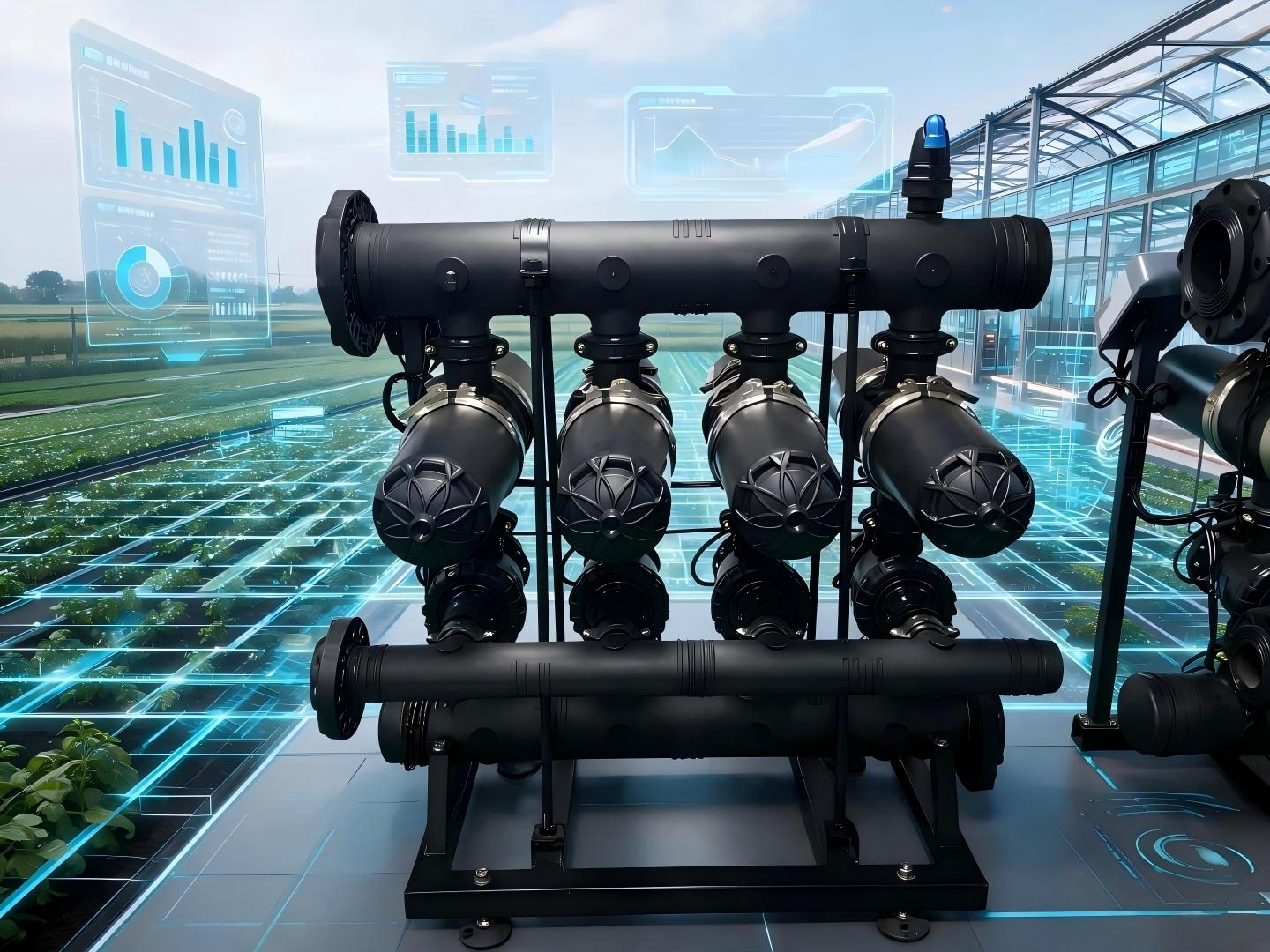
Global agricultural production faces dual mounting pressures: feeding a projected 9.7 billion people by 2050 while operating within tightening freshwater constraints. Per 2023 Food and Agriculture Organization (FAO) of the United Nations data, agriculture accounts for 72% of global freshwater withdrawals, yet up to 60% of that water is wasted via inefficient irrigation scheduling, unaddressed system leaks, and one-size-fits-all timer-based application that fails to match real-time crop water needs. For producers, this waste translates directly to higher pumping costs, reduced crop yields from over- or under-watering, nutrient leaching, and growing regulatory risk as state and national water boards mandate stricter water use reporting and conservation requirements. IoT-powered smart irrigation controllers have emerged as the highest-ROI precision irrigation technology to address these gaps, delivering verified water savings, yield gains, and labor reductions across every major crop type and growing region. This guide breaks down the technology, quantified benefits, real-world performance, selection criteria, implementation best practices, and future trends for agricultural IoT smart irrigation controllers, with peer-reviewed field data and on-farm case studies to support investment decisions.
What Is an IoT-Powered Smart Irrigation Controller, and How Does It Differ From Traditional Systems?
Unlike legacy irrigation controllers that operate on fixed, pre-programmed schedules regardless of field conditions, an agricultural IoT (Internet of Things) smart irrigation controller is a networked, sensor-integrated device that automates irrigation valve and pump operation based on real-time field data, cloud-based analytics, and crop-specific water requirements. Where earlier generations of "smart" controllers relied on single, on-device sensors or pre-loaded weather averages to make scheduling decisions, IoT controllers connect via low-power wide-area networks (LPWAN) to a distributed network of in-field sensors, remote weather databases, and cloud computing platforms, enabling automated, site-specific irrigation decisions that eliminate human error and reduce waste. Critically, agricultural-grade IoT controllers are built to withstand the harsh conditions of commercial farm environments, with IP67+ weather sealing, wide operating temperature ranges, and compatibility with high-flow irrigation infrastructure including center pivots, linear move systems, drip tape networks, micro-sprinkler zones, and large-scale pump stations.
Core Functional Architecture of Agricultural IoT Smart Irrigation Controllers
Every production-grade IoT smart irrigation system operates on five integrated layers, designed to work without constant manual input:
- Edge sensing layer: A distributed network of in-field sensors that collect real-time data on volumetric water content (VWC) at multiple root zone depths, soil temperature, soil electrical conductivity (EC, to measure salinity and nutrient levels), in-line water flow and pressure, canopy temperature, ambient humidity, wind speed, solar radiation, and rainfall. Unlike non-IoT controllers, which typically support only one surface-mounted sensor, IoT systems can support 30+ sensors per controller across irrigation zones spanning 10–40 acres.
- Control actuation layer: The controller hardware itself, wired or wirelessly connected to solenoid valves, pump relays, center pivot drive systems, and fertigation injectors. The controller sends actuation signals to turn water on or off, adjust flow rates, or modify pivot speed based on analytics insights, without requiring manual adjustment in the field.
- Connectivity layer: Low-power, long-range connectivity that transmits sensor data to the cloud and sends actuation commands back to the controller. Common agricultural connectivity options include LoRaWAN (long-range, low-power, ideal for large farms with no cellular coverage, 8–10 mile line-of-sight range), LTE-M/NB-IoT cellular (ideal for farms within cellular coverage, no on-site gateway required), and satellite IoT (for remote rangeland or orchard operations with no terrestrial connectivity).
- Cloud analytics layer: A secure cloud platform that processes incoming sensor data, compares it against crop-specific water requirement models, historical yield data, hyper-local weather forecasts, and evapotranspiration (ET) calculations to generate optimal irrigation schedules. Many platforms use machine learning models trained on millions of acres of field data to refine schedules over time, improving accuracy with each growing season.
- User interface layer: A web dashboard and mobile application that allows farm managers to view real-time field conditions, adjust irrigation schedules, receive custom alerts for leaks, clogs, or frost events, access historical water use reports for regulatory compliance, and integrate irrigation data with other farm management information systems (FMIS).
Quantifiable Business and Environmental Benefits of IoT Smart Irrigation Controllers for Agricultural Operations
Unlike anecdotal claims from equipment vendors, the benefits of IoT smart irrigation controllers are backed by more than a decade of peer-reviewed field trials, USDA research, and on-farm performance data across every major U.S. and global growing region. A 2022 World Bank analysis of 2,100 commercial and smallholder farms across 17 countries found that IoT smart irrigation controllers deliver an average internal rate of return (IRR) of 57% annually, with a mean payback period of 1.8 growing seasons—faster than any other precision agriculture technology, including GPS guidance, variable-rate fertilization, or drone crop scouting.
Verified Water Savings Across Crop Types
Water is increasingly the most constrained input for agricultural producers, with 40% of U.S. counties facing severe or extreme drought conditions as of 2024, per the U.S. Drought Monitor, and water allocation cuts of 20–50% common in Western and Great Plains states. Field trials consistently show that IoT controllers deliver dramatic, measurable reductions in applied water without reducing yields:
- Permanent nut crops (almonds, walnuts, pistachios): 38–45% reduction in applied water compared to timer-based drip irrigation, per 2024 California Department of Water Resources (CDWR) trials across 3,200 acres of Central Valley orchards. These savings allowed participating farms to meet mandatory 25% state water allocation cuts between 2021 and 2023 without fallowing acreage or reducing yields.
- Row crops (corn, soy, cotton): 22–31% water savings compared to furrow or timer-based center pivot irrigation, per 2023 USDA Agricultural Research Service (ARS) field tests across 8 Midwest states. For corn operations in the Ogallala Aquifer region, these savings reduce aquifer withdrawal rates by an average of 3.2 inches per acre per growing season, extending the usable life of the aquifer for agricultural production by an estimated 28 years if adopted at scale.
- Specialty vegetable crops (tomatoes, leafy greens, peppers): 29–37% water savings, with 12–18% reduction in post-harvest spoilage due to consistent soil moisture levels that prevent fruit cracking and blossom end rot, per 2024 University of Florida Institute of Food and Agricultural Sciences (UF/IFAS) research on plasticulture vegetable production.
- Vineyards: 32–40% water savings, with a 17% improvement in grape Brix levels and 12% reduction in uneven fruit ripening for premium wine production, per 2023 Oregon State University viticulture trials in the Willamette Valley. By avoiding overwatering during veraison, vineyards using IoT controllers also saw a 22% reduction in powdery mildew pressure, reducing fungicide applications by an average of 1.5 sprays per season.
Yield, Crop Quality, and Input Cost Reductions
While water savings are the most frequently cited benefit, IoT controllers deliver even larger economic returns via increased yields, reduced input costs, and lower labor requirements:
- Yield gains: A 2024 University of California Agriculture and Natural Resources (UC ANR) meta-analysis of 127 farm deployments found that IoT smart irrigation controllers increase average crop yields by 12–18% across crop types, by eliminating water stress during critical growth stages (nut fill for trees, tasseling for corn, pod fill for soy, veraison for grapes) and preventing overwatering that causes root rot and oxygen deprivation in the root zone.
- Fertilizer cost savings: Per 2023 EPA agricultural runoff data, overwatering leaches up to 50% of applied nitrogen fertilizer below the root zone, where it enters groundwater and surface waterways rather than being taken up by crops. IoT controllers reduce nutrient leaching by an average of 42% by maintaining soil moisture at field capacity, cutting fertilizer costs by 18–24% per acre annually while reducing compliance risk for agricultural runoff regulations.
- Energy cost savings: 2023 Irrigation Association data shows that 68% of agricultural irrigation pumping is powered by grid electricity or diesel fuel, with energy costs accounting for 10–15% of total operating expenses for irrigated farms. By reducing total water pumped, IoT controllers cut pumping energy costs by 25–35% annually, with even higher savings for farms that operate on time-of-use electricity rates, as controllers can schedule irrigation during off-peak hours when electricity prices are 40–60% lower.
- Labor savings: Conventional irrigation management requires manual scouting of soil moisture, valve checks, and schedule adjustments, which takes an average of 2.3 labor hours per acre per week during peak growing season. IoT controllers reduce this labor requirement by 82%, to 0.4 hours per acre per week, by automating schedule adjustments and sending targeted alerts only when action is required (e.g., a clogged nozzle, pump failure, or upcoming frost event). For a 1,000-acre farm, this translates to 1,900 hours of saved labor annually, equivalent to 0.9 full-time irrigation positions.
- Crop loss reduction: Undetected system failures—including line breaks, clogged nozzles, and pump malfunctions—cause an estimated $1.1 billion in annual crop losses in the U.S. alone, per 2023 USDA data. IoT controllers with integrated flow and pressure sensors detect these anomalies in real time, sending alerts within minutes of a fault, reducing crop loss from system failures by an average of 90%.
Real-World Performance: IoT Smart Irrigation Controllers vs. Legacy Irrigation Control Solutions
Many producers confuse basic timer controllers or non-IoT weather-based controllers with full IoT smart systems, leading to underwhelming performance and lower-than-expected returns. The table below compares performance, cost, and functionality across the four most common irrigation control systems used in commercial agriculture, using data from 2024 Irrigation Association equipment benchmarking tests and USDA ARS field trials:
| Control System Type | Average Water Savings vs. Conventional Flood Irrigation | Upfront Hardware Cost Per Acre | Annual Maintenance Cost Per Acre | Remote Access Capability | Real-Time Multi-Sensor Integration | Predictive Weather/ET Analytics | Automated Leak/Clog Detection | Average ROI Timeline | Weekly Irrigation Labor Per Acre |
|---|---|---|---|---|---|---|---|---|---|
| Manual valve/gate control (furrow/flood) | 0% (baseline) | $15–$25 | $5–$10 | None | None | None | None | N/A | 3.1 hours |
| Electromechanical irrigation timer | 8–12% | $40–$75 | $10–$18 | None | None | None | None | 7–10 growing seasons | 2.3 hours |
| Non-IoT weather-based controller (local-only sensor input) | 16–24% | $95–$160 | $22–$35 | Limited (local Bluetooth/programming only) | Single-point surface sensor only | Basic historical weather averages | None | 3.5–5 growing seasons | 1.2 hours |
| LoRaWAN/Cellular/Satellite IoT smart irrigation controller | 28–47% | $120–$220 (includes 3 years of connectivity) | $12–$22 | Full multi-user access via web/mobile app, from any location | Multi-depth soil moisture, flow, pressure, EC, canopy sensor support | AI-powered real-time ET, rainfall, frost, and crop growth stage modeling | Instant alerts for line breaks, clogs, pressure anomalies, and pump failures | 1.5–2.2 growing seasons | 0.3–0.5 hours |
Notably, while non-IoT weather-based controllers deliver modest water savings compared to manual or timer systems, they fail to deliver the same ROI as IoT systems because they lack multi-zone sensor integration, automated fault detection, and cloud-based predictive analytics. For example, non-IoT controllers typically use a single on-device rain gauge or ET sensor mounted at the controller location, which can be up to 30% inaccurate for fields located more than 0.5 miles from the controller, due to microclimate variability in rainfall, wind, and temperature across large farm parcels.
Practical On-Farm Implementation Examples of IoT Smart Irrigation Controllers
The performance metrics cited in field trials are replicated in real-world commercial and smallholder farm deployments, across diverse crop types and geographies. The three case studies below represent typical outcomes for operations that correctly deploy and calibrate IoT irrigation systems:
Example 1: 1,200-Acre Almond Orchard, Fresno County, California
Prior to 2022, this third-generation family orchard used timer-controlled drip irrigation, with three full-time irrigation staff responsible for manually checking soil moisture, adjusting valve run times, and scouting for line leaks across 40 irrigation zones. During the 2021 megadrought, the operation faced a 25% state water allocation cut, which was projected to reduce yields by an estimated 22% and cause $840,000 in lost revenue if irrigation schedules were not optimized. In early 2022, the orchard installed LoRaWAN-based IoT smart irrigation controllers across all zones, paired with three capacitive soil moisture sensors per zone (installed at 6-inch, 18-inch, and 36-inch depths to monitor water movement through the entire almond root zone), in-line flow and pressure sensors, and an on-site ET station integrated with NOAA hyper-local weather forecasts. The system was calibrated to maintain root zone VWC at 22–28% (optimal for Nonpareil almonds on Nemaguard rootstock in sandy loam soil), automatically adjusting run times to avoid leaching and water stress during nut fill. After two full growing seasons, the operation reported:
- 42% reduction in applied irrigation water, allowing the farm to fully comply with state allocation cuts without fallowing any acreage
- 14% increase in almond yield, from 2,200 lbs per acre to 2,508 lbs per acre, as consistent soil moisture eliminated water stress during the June nut drop stage
- 84% reduction in irrigation labor time, from 27 hours per week to 4.3 hours per week, as staff only responded to targeted alerts rather than conducting daily field checks
- 31% reduction in diesel pump energy costs, totaling $78,200 in annual savings, including $14,700 in savings from scheduling irrigation during off-peak electricity rate windows for grid-tied pump stations
- Early detection of 22 clogged drip lines and 3 small line breaks in 2023, preventing an estimated $62,000 in crop loss from underwatered orchard blocks
Total upfront investment for the system was $201,600 ($168 per acre), delivering a full payback period of 1.7 growing seasons, in line with World Bank ROI projections.
Example 2: 78-Acre Smallholder Vegetable Cooperative, Kisumu County, Kenya
This cooperative comprises 32 small-scale producers growing kale, tomatoes, and bell peppers for local markets and export to Nairobi, with an average farm size of 2.4 acres per member. Prior to 2022, the group used furrow irrigation with manually operated gates, relying on stream water diverted via earthen canals, and experienced regular crop losses of 30–40% during dry seasons due to uneven water distribution and waterlogging during rainy periods. Irrigation tasks took an average of 4.2 hours per farmer per week, limiting time available for harvest, marketing, and value-added processing. With support from a World Bank agricultural resilience grant covering 60% of hardware costs, the cooperative installed solar-powered cellular IoT smart irrigation controllers, low-cost capacitive soil moisture sensors, and solar-powered pressurized drip systems across all 78 acres. The controllers were calibrated to trigger irrigation only when root zone VWC dropped below 25% (optimal for vegetable production in the region’s clay loam soil), automatically shutting off pumps when VWC reached field capacity (32%) to avoid waterlogging. The system also integrated local weather forecast data to pause irrigation ahead of predicted rainfall events. After 18 months of operation, the cooperative reported:
- 38% reduction in total water pumped, allowing the group to reduce the size of their solar array by 28% and cut upfront energy system costs by $19,400
- 29% increase in average vegetable yields across all members, from 14,200 lbs per acre to 18,318 lbs per acre, due to consistent soil moisture and reduced waterlogging
- 61% reduction in time spent on irrigation tasks, allowing members to launch a cooperative tomato drying and processing operation that generated an additional $38,700 in revenue in 2023
- 22% reduction in early blight fungal pressure on tomatoes, as the drip system and scheduled irrigation eliminated foliar wetting and over-saturated surface soil that drives pathogen growth, cutting fungicide costs by $142 per acre annually
- 1.2 million gallons of avoided water application during a 2.1-inch rain event in April 2023, when the system’s predictive alert paused irrigation 12 hours before rainfall arrived, preventing waterlogging that would have destroyed an estimated 18% of the tomato crop
The net income increase for the cooperative totaled $112,400 in the first full growing season post-implementation, with a 1.2 growing season payback period for the member-funded portion of the controller investment.
Example 3: 2,400-Acre Corn-Soy Rotation Farm, Boone County, Iowa
This family row crop operation used 8 center pivot irrigation systems with legacy electromechanical panel controls, relying on weekly crop advisor scouting and visual soil inspection to schedule irrigation. In 2021, the farm experienced 12% crop loss across 180 acres of corn due to uneven water application from clogged pivot nozzles that were not detected during routine checks, and spent $142,000 annually on pump energy and irrigation labor. In early 2022, the farm retrofitted all 8 center pivots with cellular IoT smart controller modules, installed 2 soil moisture sensors per pivot span (at 12-inch and 24-inch depths, matching corn and soybean root zones), added in-line flow meters to each pivot drop, and integrated the controller platform with their existing John Deere Operations Center FMIS to align irrigation schedules with crop growth stage models. The system used machine learning to calculate daily ET rates, adjust pivot speed and application depth for each span, and alert managers if flow rates indicated a clogged nozzle or line leak. After two growing seasons, the operation reported:
- 27% reduction in applied irrigation water for corn, 23% reduction for soybeans, reducing total annual aquifer withdrawals by 81.6 million gallons
- 11% increase in corn yield (from 182 bushels per acre to 202 bushels per acre) and 9% increase in soybean yield (from 56 bushels per acre to 61 bushels per acre) due to consistent moisture during tasseling and pod-fill stages
- $47,300 in annual energy savings from reduced pumping, plus $29,800 in annual labor savings from eliminated manual pivot checks
- Detection of 14 clogged nozzles and 2 small line leaks in 2023, preventing an estimated $38,000 in crop loss from underwatered pivot sections
- Automated regulatory reporting for Iowa Department of Natural Resources water use requirements, cutting annual report preparation time from 32 hours to 2 hours
Total upfront retrofit cost was $168,000 ($70 per acre for controller modules, sensors, and connectivity), delivering a payback period of 2.1 growing seasons.
Key Selection Criteria for IoT Smart Irrigation Controllers for Agricultural Use
Not all IoT smart irrigation controllers are built for agricultural production, and selecting the wrong system can lead to poor performance, high maintenance costs, and extended payback periods. Producers should evaluate systems against the following criteria before making a purchase:
Connectivity Protocol Compatibility for Rural Deployments
Reliable connectivity is the foundation of any IoT system, and many farms are located in areas with limited or no cellular coverage. Per a 2024 Irrigation Association survey of 500 commercial farm operators:
- 62% of farms select LoRaWAN connectivity for IoT irrigation deployments, due to its 8–10 mile line-of-sight range, low power requirements, and ability to operate without cellular coverage via a single on-farm gateway
- 31% of farms select LTE-M/NB-IoT cellular connectivity, which requires no on-site gateway and works in areas with at least 1 bar of 4G cellular coverage
- 7% of farms select satellite IoT connectivity for remote rangeland, orchard, or pasture operations with no terrestrial coverage, though hardware and connectivity costs are 30–40% higher than LoRaWAN or cellular options
Producers should avoid controllers that rely on Wi-Fi connectivity, as Wi-Fi has a maximum range of 300 feet and is highly unreliable in open field conditions.
Sensor Integration Flexibility
The highest-performing IoT systems use open architecture that supports third-party sensors, rather than locking producers into expensive proprietary hardware. At minimum, a controller should support integration with:
- Multi-depth capacitive soil moisture sensors, which are 3x more accurate than low-cost resistive sensors per USDA testing, and installed across the full root zone rather than only at the soil surface
- In-line flow and pressure sensors to detect leaks, clogs, and pump failures, reducing system failure-related crop loss by 90%
- On-site or network-connected ET sensors to adjust irrigation schedules for humidity, wind speed, and solar radiation
- Soil EC sensors to monitor salinity levels and sync irrigation schedules with fertigation applications
Systems that only support a single, proprietary surface soil moisture sensor deliver an average of only 17% water savings, compared to 38% savings for systems that support multi-depth, third-party sensors.
Software and Analytics Capabilities
The value of an IoT controller is largely determined by its software platform, as hardware alone cannot deliver optimal irrigation schedules. Producers should prioritize platforms that offer:
- Customizable alert thresholds for leaks, clogs, frost events, and low soil moisture, with alerts delivered via SMS, email, and mobile push notification
- Automated water use reporting that meets state and local regulatory requirements, eliminating manual data entry for mandatory water use reports
- Crop-specific growth stage models that adjust irrigation requirements throughout the season, matching water application to crop demand during germination, vegetative growth, reproductive stages, and pre-harvest dry-down
- Two-way integration with existing FMIS platforms, pump controls, center pivot panels, and fertigation systems to avoid siloed data and reduce redundant data entry
- Frost protection automation, which triggers irrigation when ambient temperatures drop below crop-specific thresholds to protect buds and fruit from freeze damage—a critical feature for orchards and vineyards, where a single freeze event can cause 100% crop loss.
Durability and Power Requirements
Agricultural IoT controllers are exposed to extreme temperatures, rain, dust, UV radiation, and equipment traffic, so units must have a minimum IP67 weather sealing rating, with an operating temperature range of -40°F to 140°F to withstand harsh Midwest winters and Southwest summer heat. Per 2023 USDA data, 38% of U.S. agricultural irrigation sites are not connected to grid power, so producers should select controllers that support solar trickle charging with 5+ year battery life, rather than units that require frequent battery changes or hardwired grid power.
Common Implementation Pitfalls and How to Avoid Them
Even high-quality IoT smart irrigation controllers can underperform if deployed incorrectly. The most common implementation mistakes, and evidence-based solutions to avoid them, are outlined below:
Pitfall 1: Under-Sensorizing Irrigation Zones
Cost-cutting by installing too few sensors is the single most common cause of underperformance, as soil moisture levels can vary dramatically across a field due to differences in soil texture, slope, drainage, and crop cover. USDA recommendations call for 1 soil moisture sensor per 5–10 acres for flat, uniform fields, and 1 sensor per 2–3 acres for sloped fields or areas with variable soil types. Farms that install only 1 sensor per 20+ acres see average water savings of just 12–18%, compared to 30–45% savings for farms that follow recommended sensor density guidelines.
Pitfall 2: Skipping Post-Installation Calibration
Generic controller settings for "corn" or "almonds" do not account for local soil type, crop cultivar, root depth, or irrigation system application rate. For example, sandy soils have a field capacity of 10–15% VWC, while clay loam soils have a field capacity of 30–35% VWC—using a generic 25% VWC threshold will underwater sandy soils and overwater clay soils, leading to yield loss and wasted water. After installation, producers should calibrate sensors by collecting manual soil core samples from each zone to match sensor readings to actual VWC, and input accurate crop root depth and irrigation system precipitation rates. Per 2024 UC Davis research, calibrated IoT systems deliver 21% higher yield benefits than uncalibrated systems with generic settings.
Pitfall 3: Overlooking Cybersecurity for Connected Systems
A 2023 FBI public service announcement noted a 200% increase in cyberattacks on agricultural IoT systems between 2021 and 2023, including multiple incidents where threat actors gained access to irrigation controllers, shut off water during critical growth stages, and demanded six-figure ransoms to restore service. Producers should select controllers with end-to-end AES-256 encryption, multi-factor authentication for all user accounts, regular over-the-air firmware updates, and network segmentation to separate irrigation control networks from farm office Wi-Fi and financial systems, preventing malware from moving between networks.
Pitfall 4: Inadequate Staff Training
Many producers install IoT controllers and expect the system to operate autonomously without training farm staff to respond to alerts, adjust schedules for field operations like harvest or tillage, or troubleshoot basic sensor issues. The Irrigation Association found that farms that provide 4+ hours of hands-on training for irrigation staff see 37% higher ROI from their IoT controller investments, as staff use 90% of the system’s available features, compared to farms with no training, which use an average of only 32% of platform features.
2024–2028 Market Trends and Future Innovation in IoT Smart Irrigation
The market for agricultural IoT smart irrigation controllers is projected to grow at a 19.2% compound annual growth rate (CAGR) through 2028, reaching $3.2 billion globally, per 2024 Grand View Research data, driven by rising water costs, regulatory mandates, and improving technology affordability. Three key innovations will shape the market over the next five years:
Hyper-Local AI ET Modeling
Current IoT systems rely on 1km resolution weather data to calculate ET rates, which can miss microclimate variability across small field zones. Next-generation systems will integrate 10-meter resolution satellite and drone imagery, in-field canopy temperature sensors, and machine learning models trained on local crop yield data to predict crop water needs at the sub-acre level, which NASA Harvest 2024 research projects will increase water savings by an additional 12–15% while boosting yields by 7-9%.
Native Integration with Variable-Rate Irrigation
Variable-rate irrigation (VRI) systems for center pivots can adjust application rates for each pivot span, but most current VRI systems require manual programming. By 2028, USDA projects that 60% of center pivot operations will use IoT controllers that automatically adjust VRI rates in real time based on soil moisture and crop health data, up from just 12% in 2023. This will reduce water use by an additional 10-14% for pivot-irrigated row crop farms.
Integrated Water Credit and Incentive Automation
Federal, state, and local conservation programs already offer significant cost-share for IoT irrigation systems: the USDA NRCS Environmental Quality Incentives Program (EQIP) covers up to 75% of smart irrigation hardware costs for eligible farms, and California’s State Water Resources Control Board offers $120–$180 per acre in rebates for IoT controller installations. By 2027, IoT platforms will automatically track conserved water volumes and submit data to water credit programs, allowing farms to sell verified conserved water to municipalities and industrial users. A 2024 Pacific Institute analysis found that California farms could generate $190–$320 per acre annually in water credit revenue via IoT-enabled conservation, creating a new revenue stream on top of input cost savings.
Final Recommendations for Adopting IoT Smart Irrigation Controllers
For producers evaluating IoT smart irrigation investments, the following evidence-based steps will maximize ROI and minimize implementation risk:
- Start with a 10–20 acre pilot zone: Install the controller and recommended sensor density on a representative field block, track water use, yield, and labor savings for one full growing season, and use that data to refine deployment plans before scaling across the entire operation. Per Irrigation Association data, 78% of farms that start with a pilot deploy IoT controllers across their full operation within 2 years.
- Prioritize open, non-proprietary systems: Avoid platforms that lock users into proprietary sensors or hardware, as these increase long-term maintenance costs by 40–60% and limit flexibility as new sensor technology becomes available.
- Leverage available cost-share and rebate programs: On average, U.S. conservation programs cover 62% of upfront IoT irrigation hardware costs for eligible farms, reducing payback periods to under 1 growing season in many regions. Producers should contact their local NRCS office, state water board, or irrigation equipment dealer to identify available incentives before purchasing.
- Schedule annual calibration and maintenance: At the start of each growing season, test sensor accuracy against manual soil core samples, check valve and pump connections, update crop growth stage parameters, and install firmware updates to ensure ongoing system performance.
As water scarcity, input costs, and regulatory requirements continue to rise, IoT smart irrigation controllers are no longer a niche precision agriculture technology—they are a core operational requirement for profitable, resilient agricultural production. With verified water savings of 28–47%, average payback periods of under 2 growing seasons, and measurable yield and labor benefits, these systems deliver a higher return than nearly any other farm technology investment available in 2024.