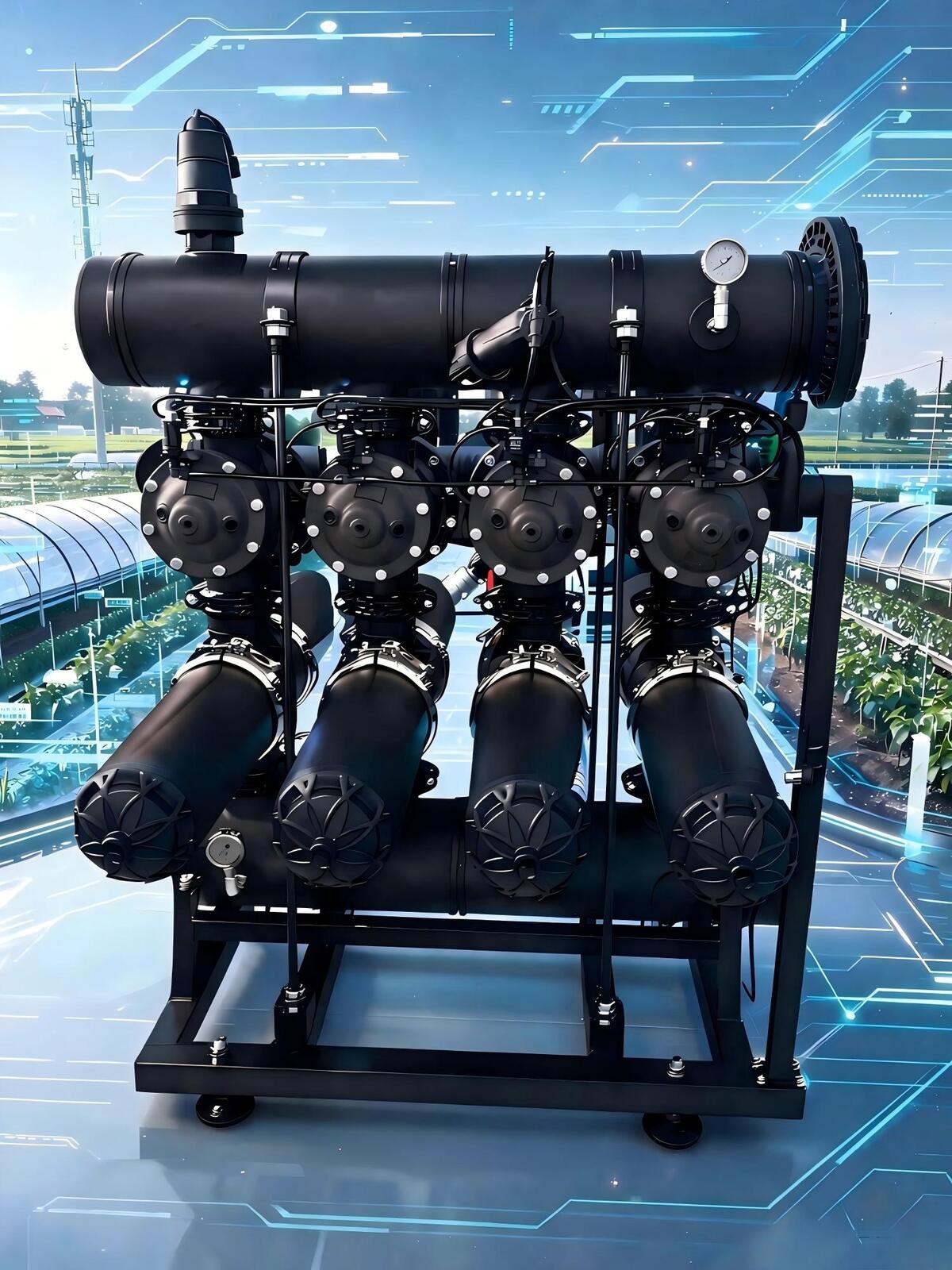
As drought frequency, water rights curtailments, and energy cost volatility reshape global agricultural production, reliable access to irrigation water has become the single largest determinant of farm profitability and long-term resilience. The Irrigation Association’s 2024 industry report found that 62% of U.S. row crop and specialty crop producers now rank on-farm water storage as a top 3 capital investment priority, up from 28% in 2018. Irrigation water storage tanks—purpose-built structures designed to hold, protect, and distribute water for crop, orchard, vineyard, and pasture irrigation—are no longer a discretionary add-on: they are a core component of efficient, profitable irrigation systems that decouple water access from erratic rainfall, restricted canal deliveries, low well yields, and peak-hour electricity surcharges. This guide draws on 20+ years of USDA, university extension, and industry field data to break down tank types, sizing calculations, installation best practices, maintenance protocols, and real-world return on investment (ROI) for operations of all sizes.
What Is an Irrigation Water Storage Tank, and Why Is It Non-Negotiable for Modern Agricultural Operations?
Core Functional Purpose in Irrigation Infrastructure
Unlike general-purpose water tanks or open earthen ponds, irrigation water storage tanks are engineered to integrate seamlessly with pressurized sprinkler, drip, flood, and furrow irrigation systems, with inlet and outlet fittings sized to match pump flow rates, system pressure requirements, and peak crop water demand. Their core function is to create a buffer between water supply and water need: instead of requiring water to be pumped or delivered exactly when crops need it, storage allows producers to capture and hold water when it is abundant, affordable, or legally available, then deploy it during critical crop growth stages, supply disruptions, or cost spikes.
Data-Backed Drivers of Global Adoption
The shift toward widespread storage tank adoption is driven by measurable, growing risks to unbuffered irrigation systems. The USDA’s 2023 Farm and Ranch Irrigation Survey (FRIS), which covers 55.9 million acres of U.S. irrigated farmland, found that operations with dedicated irrigation storage tanks:
- Reduced drought-related crop yield loss by 41% on average between 2018 and 2022, compared to operations relying solely on direct well, surface water, or municipal supplies
- Cut annual irrigation energy costs by 29% by shifting pumping to off-peak electricity hours, when rural utility rates are 40-60% lower than mid-peak and on-peak windows
- Were 78% less likely to fallow acreage during 2021-2023 Western U.S. megadrought water curtailments, when the U.S. Bureau of Reclamation cut surface water deliveries to 61% of Central Valley Project contractors by 50% or more
These benefits extend well beyond the U.S. The UN Food and Agriculture Organization’s (FAO) 2024 global irrigation report found that smallholder farms in arid and semi-arid regions with properly sized irrigation storage see 32% higher crop water productivity, reducing overall water application rates by 27% while boosting yields of high-value vegetables and grains by 22%. Global data confirms that storage addresses four of the most costly pain points for irrigated operations:
- Water rights curtailment risk: 61% of Western U.S. irrigation districts reported mandatory delivery reductions of 20-100% in 2023, per the Family Farm Alliance, with curtailment frequency projected to increase by 45% by 2035 under current groundwater sustainability rules.
- Peak crop demand gaps: Corn, the most widely irrigated row crop in the U.S., requires 0.35 inches of water per day during the 2-week tasseling window; University of Nebraska-Lincoln Extension data shows that even 1 day of water stress during this stage reduces final yields by 19%, while 3 consecutive days of stress reduces yields by 40%.
- Well yield limitations: 34% of irrigation wells in the High Plains Aquifer have seen yield declines of 10% or more since 2000 due to aquifer overdraft, per USGS data, leaving many wells unable to meet peak flow requirements without supplemental storage.
- Alternative water integration: Storage tanks enable capture of rainwater, field tailwater, and treated agricultural effluent, reducing groundwater extraction by up to 50% for operations meeting NRCS conservation standards.
Common Types of Irrigation Water Storage Tanks: Material, Use Case, and Performance Comparison
Core Selection Criteria for Agricultural Operations
Selecting the right tank material and design requires balancing upfront cost, expected service life, volume requirements, climate conditions, water source, and irrigation system type. A tank designed for a 5-acre organic vegetable operation using drip irrigation will not meet the needs of a 2,000-acre row crop operation using center pivots, just as a flexible seasonal tank will not withstand 3 feet of annual snow load in northern Minnesota. The table below compares the five most common tank types used in agricultural irrigation, with 2024 installed cost and performance data from the Irrigation Association:
| Tank Type | Typical Volume Range | Expected Service Life | Installed Cost Per Gallon (2024 Data) | Best Use Cases | Key Advantages | Key Limitations |
|---|---|---|---|---|---|---|
| Corrugated Galvanized Steel (with EPDM/HDPE liner) | 5,000 gal – 5 million gal | 30–50 years (liner replacement every 15–20 years) | $0.50–$1.20 | Mid-to-large row crop operations, canal-delivered water, permanent installations, center pivot systems | Modular design, UV-resistant, compatible with gravity and pressurized systems, eligible for 50-75% NRCS EQIP cost-share, high snow load rating | Requires periodic liner inspection, prone to edge corrosion if galvanized coating is damaged, requires a compacted base to avoid settling |
| Welded Carbon Steel (epoxy coated) | 1,000 gal – 10 million gal | 40–60 years (interior coating touch-ups every 10 years) | $1.10–$2.30 | High-pressure drip/sprinkler systems, cold climates, recycled water storage, elevated gravity-feed installations | Highest structural integrity, can be fully buried to reduce evaporation, seamless leak protection, compatible with high-pressure outlets | Highest upfront material cost, requires regular corrosion protection, heavy equipment required for installation |
| High-Density Polyethylene (HDPE, above-ground, UV-stabilized) | 50 gal – 50,000 gal (modular linked systems up to 500,000 gal) | 20–30 years | $0.70–$1.60 | Small-to-mid specialty crop farms, vineyards, greenhouses, rainwater harvesting, organic operations | Lightweight, 100% corrosion-proof, food-grade compatible for organic certification, no liner required, fast installation | Vulnerable to impact damage, can crack at temperatures below -20°F without insulation, limited single-tank volume, UV degradation without stabilizer additives |
| Reinforced Cast-in-Place Concrete | 10,000 gal – 20 million+ gal | 60–100 years | $1.00–$1.90 | Large permanent operations, flood/furrow irrigation, dual livestock/irrigation use, high wildfire risk regions | Zero evaporation when covered, fireproof, can be fully buried, minimal long-term maintenance, resistant to rodent and wildlife damage | 2–8 week curing time before use, prone to cracking in high-seismic zones, initial high-pH leaching requires 2 years of water testing for sensitive crops |
| Reinforced Flexible Fabric (PVC/TPU, collapsible) | 500 gal – 200,000 gal | 10–20 years | $0.20–$0.60 | Temporary/seasonal storage, emergency drought response, remote fields without permanent infrastructure, rotational grazing | Lowest upfront cost, deployable in <1 day, collapsible for off-season storage, no permanent foundation required | Vulnerable to punctures from equipment/wildlife, not compatible with high-pressure outlets, high evaporation rate if uncovered, short service life |
Specialized Configurations for Unique Irrigation Needs
Beyond standard material types, specialized tank designs deliver targeted benefits for specific operations:
- Elevated tanks: Tanks mounted 15-30 feet above field elevation eliminate the need for booster pumps for low-pressure drip systems, reducing energy costs by 100% for gravity-fed distribution zones. University of Arizona Extension data shows that elevated tanks for 20-acre vineyard blocks reduce annual energy costs by an average of $3,200 per block.
- Covered tanks: Installing a solid or floating cover on any tank type reduces evaporation loss by 95% in arid climates. Open tank surfaces lose 4-6 feet of water per year to evaporation in the Sonoran Desert, which translates to 1.3-2 million gallons of lost water annually for a 1-acre footprint tank, enough to irrigate 8 acres of citrus during peak demand.
- Buried cistern tanks: Below-grade concrete or HDPE tanks keep stored water at a consistent 55-60°F year-round, reducing algae growth and mosquito breeding by 90% compared to above-ground tanks, cutting drip system filtration costs by 40% for organic vegetable operations.
How to Correctly Size an Irrigation Water Storage Tank: Data-Driven Calculations to Avoid Under or Over-Investment
NRCS data shows that 68% of on-farm storage tanks installed before 2010 were undersized by 30% or more, leading to 22% higher crop stress during peak heat events because producers could not meet crop evapotranspiration (ETc) requirements. Conversely, oversizing tanks by more than 25% increases upfront capital costs by an average of $40,000 for mid-sized operations without delivering proportional yield benefits, per University of Illinois Extension research. Accurate sizing relies on five core inputs:
Required Sizing Inputs
- Peak daily crop water requirement (ETc, in inches per day) for the highest-water-demand crop in the rotation, sourced from local extension ET tables
- Total irrigated acreage served by the tank
- Primary water source reliability: well yield (gallons per minute, gpm), canal delivery schedules, average consecutive dry days between rainfall events, and allowed pumping windows for off-peak energy savings
- Irrigation system flow rate and pressure requirements
- Loss and reserve allowance: 1-5% annual evaporation loss for covered tanks, 15-30% for open tanks, 0-10% seepage loss for lined tanks, and a 10-20% emergency reserve for pump failure, heat domes, or extended drought
Step-by-Step Sizing Formula With Real-World Example
To illustrate the sizing process, consider a 40-acre corn-soybean rotation in central Iowa, working with Iowa State University Extension ET data and local utility rates:
- Calculate peak daily water demand: Corn has a peak ETc of 0.33 inches per day during mid-July tasseling. One inch of water per acre equals 27,154 gallons, so peak demand for 40 acres is: 40 acres * 0.33 inches/day * 27,154 gal/acre-inch = 358,433 gallons per day.
- Calculate reliable daily supply: The operation’s well produces 150 gpm, but the local rural electric cooperative charges 2.5x higher rates during the 2PM-8PM peak grid window, so the farm limits pumping to 18 hours per day during low-rate windows. Daily supply equals: 150 gpm * 60 minutes/hour * 18 hours = 162,000 gallons per day.
- Calculate daily supply gap: Peak demand minus reliable supply equals: 358,433 - 162,000 = 196,433 gallons per day of unmet demand during peak tasseling.
- Add reserve and loss allowance: The farm wants enough storage to cover 3 full days of peak demand in the event of a well failure or extended heat dome, plus 10% for evaporation and seepage losses. Total required volume equals: (196,433 gal/day gap * 3 days) * 1.10 = 648,229 gallons.
For this operation, a standard 650,000-gallon corrugated steel tank is the optimal size: large enough to cover gaps and emergencies, without unnecessary overspending on excess capacity.
Sizing Adjustments for Alternative Water Sources
For operations capturing rainwater from barn roofs or high tunnels, sizing requires accounting for catchment area: 1 square foot of roof surface captures 0.62 gallons of water per inch of rainfall. For example, a 10,000 square foot equipment barn captures 6,200 gallons per inch of rain; a 50,000-gallon HDPE tank system will capture 8 inches of rain runoff, enough to cover 1.5 days of peak demand for a 5-acre organic vegetable operation in Ohio. For operations relying on periodic canal deliveries (e.g., 48-hour deliveries every 2 weeks), tank size must be large enough to hold the full delivery volume plus 20% reserve to cover gaps between deliveries.
Installation Best Practices to Maximize Tank Lifespan and Irrigation Efficiency
Even the highest-quality tank will fail prematurely if installed incorrectly. The Corrugated Steel Pipe Institute reports that 18% of corrugated steel tank failures within the first 10 years of installation are caused by poor site preparation or incorrect sequencing, leading to an average of $12,000 in repair and water loss costs per failure.
Critical Site Selection Factors
- Elevation and drainage: Select a site with a 2-5% slope away from the tank base to prevent water pooling, which causes soil erosion and foundation failure. A site elevated 10-20 feet above the highest irrigation zone enables gravity-fed distribution, eliminating booster pump energy costs for low-pressure systems.
- Soil bearing capacity: A full 100,000-gallon tank exerts 500-800 pounds per square foot (psf) of pressure on its foundation, so sites require a minimum soil bearing capacity of 1,500 psf. High-clay or uncompacted fill sites require a 6-12 inch compacted crushed rock base or reinforced concrete pad to prevent uneven settling.
- Proximity to infrastructure: Locating the tank within 50 feet of the primary well or canal turnout reduces inlet pipe friction loss by 12-18%, cutting pumping energy costs. Locating tanks more than 500 feet from the main irrigation line increases friction loss by 40% or more, requiring larger pumps and higher ongoing energy bills.
- Regulatory setbacks: Maintain EPA-recommended setbacks of 50 feet from property lines, 100 feet from drinking water wells, and 25 feet from septic systems to meet state agricultural water quality rules.
Sequenced Installation Steps for Long-Term Performance
- Prepare the foundation: For tanks under 5,000 gallons, a level, compacted gravel base is sufficient. For tanks over 50,000 gallons, install a reinforced concrete pad with 6 inches of compacted sub-base, with #4 rebar spaced 12 inches on center to prevent cracking.
- Install fittings before filling: Fit outlets with 80-mesh screen filters to reduce drip emitter clogging by 70%, and size overflow pipes to handle 125% of maximum inlet flow to prevent overtopping during pump malfunctions or heavy rain.
- Test for leaks incrementally: Fill the tank to 10% capacity, inspect all fittings for leaks for 24 hours, then fill in 25% increments over 3-4 days to allow the structure and base to settle evenly, reducing stress on seams and liners.
- Install control accessories: Add a float valve to automatically stop inflow at full capacity, a water level sensor connected to the irrigation controller to trigger off-peak pumping, and a lockable access cover to prevent wildlife entry, debris accumulation, and unauthorized access.
A 2023 University of California Cooperative Extension case study highlights the cost of cutting corners on installation: a 200-acre almond orchard in Fresno County installed a 2 million gallon corrugated steel tank in 2021 without a compacted base, placing the tank directly on uncompacted alluvial soil. After 18 months, uneven settling caused a 3-inch tear in the EPDM liner, leading to a 270,000-gallon water leak that cost $1,200 in lost water and $4,800 in liner repair and foundation rework.
Proactive Maintenance Protocols to Extend Tank Life and Protect Water Quality
2022 Irrigation Association equipment failure data shows that farms following a scheduled annual maintenance program see a 42% longer tank service life and 68% lower annual repair costs compared to operations that only perform reactive repairs after failures. Maintenance tasks should be aligned with seasonal irrigation cycles:
Seasonal Maintenance Checklist
- Pre-season (Spring): Inspect liners, seams, and fittings for cracks or corrosion; drain and flush 5-10% of stored volume to remove sediment (which reduces storage capacity by an average of 7% per year if left unremoved, per NRCS); test water for pH, salinity, and algae to prevent emitter clogging; inspect vent screens to prevent vacuum pressure damage during fill/draw cycles.
- Mid-season (Summer): Check water levels weekly to detect leaks (a drop of more than 1% of volume per day without active irrigation indicates a leak that can waste 10,000+ gallons per week in a 1 million gallon tank); treat algae with crop-safe, food-grade hydrogen peroxide to prevent biofilm buildup, which reduces flow rates by 15-20% in unmaintained tanks; clear overflow pipes of debris before monsoon season.
- Post-season (Fall): In USDA hardiness zones 4 and colder, drain 10-15% of volume to leave room for ice expansion, which prevents wall cracking in steel and HDPE tanks; inspect exteriors for damage from equipment, wildlife, or wildfire; drain inlet/outlet pipes to prevent freeze damage.
- Off-season (Winter): Drain flexible fabric tanks completely and store in a rodent-proof shed to extend life by 3-5 years; inspect foundations for erosion from snowmelt, and re-grade as needed to direct water away from the tank base.
Common Failure Points and Preventative Fixes
Irrigation Association failure data identifies four leading causes of tank failure, all preventable with proactive care:
- Liner puncture (38% of failures): Caused by rodent burrowing, sharp rocks under the liner, or equipment impacts. Prevent by installing a 4-oz geotextile underlayment, maintaining a 3-foot vegetation-free buffer around the tank, and avoiding equipment traffic within 10 feet of tank walls.
- Metal corrosion (27% of failures): Caused by scratched galvanized coating or peeling epoxy liners in steel tanks. Prevent by applying zinc-rich touch-up paint to damaged exterior coating within 30 days, and inspecting interior epoxy coatings every 5 years.
- Foundation settling (21% of failures): Caused by soil erosion or insufficient compaction. Prevent by conducting annual compaction tests around the tank perimeter, and filling voids with compacted gravel before they expand.
- UV degradation (14% of failures): Caused by prolonged sun exposure to uncoated HDPE or fabric tanks. Prevent by applying UV protectant coating to HDPE tanks every 5 years, and selecting UV-stabilized fabric for flexible tanks.
Real-World ROI Case Studies Across Operation Types
The financial value of irrigation water storage tanks varies by operation size, crop type, and water cost, but field data from across the U.S. shows consistent, positive ROI for properly sized and installed systems.
Case Study 1: 200-Acre Almond Orchard, Fresno County, California
In 2020, the operation received a 60% surface water allocation cut from the Central Valley Project, forcing the grower to pump groundwater at $320 per acre-foot, with electricity costs spiking 210% during 4PM-9PM peak summer hours. The orchard saw 22% yield loss from water stress in 2020, totaling $134,000 in lost revenue.
Intervention: The grower installed a 2 million gallon corrugated steel tank in 2021 at a total installed cost of $1.62 million ($0.81 per gallon), with 50% cost-share from the NRCS EQIP program. An automated controller was connected to the well pump to fill the tank exclusively during off-peak electricity hours, when rates were 65% lower.
2-Year Outcomes:
- Reduced annual irrigation energy costs by $42,800 (38% reduction)
- Eliminated $67,000 per year in emergency groundwater pumping costs during 2022 and 2023 curtailments
- Reduced drought-related yield loss from 22% in 2020 to 4% in 2023, adding $121,000 in annual crop revenue
- Projected full payback period: 3.5 years (factoring in EQIP cost-share), with a 28% annual ROI over the tank’s 40-year service life
Case Study 2: 8-Acre Organic Vegetable Farm, Athens County, Ohio
Prior to 2023, the small-scale farm relied on municipal water for drip irrigation, at a cost of $7.20 per 1,000 gallons. Mandatory summer outdoor water restrictions banned irrigation between 10AM-6PM from June to August, leading to 29% yield loss in tomatoes and peppers during the 2022 drought, totaling $24,300 in lost revenue.
Intervention: The farm installed three linked 10,000-gallon UV-stabilized HDPE tanks (30,000 gallons total) connected to gutter systems on two high tunnels and a pack barn to capture rainwater, at a total installed cost of $33,600 ($1.12 per gallon), with 75% cost-share from the Ohio Department of Agriculture small farm conservation grant.
1-Year Outcomes:
- Reduced municipal water purchases by 89%, cutting annual irrigation water costs from $12,400 to $1,360
- Eliminated restriction-related yield loss, increasing annual vegetable revenue by $28,700
- Reduced organic fungicide applications by 22% ($1,900 annual savings) by using chlorine-free rainwater, which reduces foliar disease pressure
- Full payback period: 11 months, with $41,640 in annual net savings over the tank’s 25-year service life
Case Study 3: 1,200-Acre Corn-Soybean Operation, Central Nebraska
The operation’s 350 gpm irrigation well could not meet peak corn water demand during tasseling, leading to a consistent 12% yield drag across 400 acres of corn, even with continuous pumping during high-cost peak electricity windows.
Intervention: The farm installed a 1.2 million gallon welded steel tank, elevated 18 feet to enable gravity-fed irrigation for 200 acres closest to the tank, at a total installed cost of $1.68 million ($1.40 per gallon) with no cost-share. The tank was sized to store water pumped during off-peak hours to cover 3 days of peak tasseling demand.
3-Year Outcomes:
- Eliminated the 12% corn yield drag, adding $79,200 in annual corn revenue (at 2021-2023 average corn prices of $5.50 per bushel, 180 bushel per acre baseline yield)
- Reduced annual energy costs by $38,400 (31% reduction) by shifting all pumping to off-peak hours and eliminating booster pump costs for 200 acres of gravity-fed irrigation
- Extended well pump life by an estimated 12 years by reducing continuous pumping stress
- Projected full payback period: 14.3 years, with a 7% annual ROI over the tank’s 50-year service life
Cost-Benefit Analysis: Calculating True Long-Term Value
Upfront tank cost is only one component of total value; producers must factor in hidden costs, savings, and risk reduction to calculate accurate ROI. Per 2024 Irrigation Association cost data, upfront installed costs break down as follows:
- Tank material and fabrication: 55-70% of total cost
- Site preparation and foundation: 15-25% of total cost
- Plumbing, valves, filters, and sensors: 8-15% of total cost
- Delivery and installation labor: 7-12% of total cost
- Permitting and water rights paperwork: 1-3% of total cost
Often-Overlooked Value Drivers
- Evaporation savings: A covered 1 million gallon tank in Arizona saves 1.8 million gallons of water per year compared to an open earthen pond, translating to $8,100 per year in savings at 2024 Central Arizona Project water rates of $4.50 per acre-foot.
- Maintenance savings: Tanks reduce sediment load in irrigation water by 75% compared to direct canal pumping, cutting drip system filter replacement costs by 60% and reducing emitter clogging by 70%, for an average savings of $18 per acre annually for drip-irrigated specialty crops.
- Crop insurance discounts: USDA Risk Management Agency 2023 data shows that operations with documented adequate irrigation storage qualify for an average 12% discount on drought-related crop insurance premiums, due to proven lower yield risk.
- Land value uplift: The American Society of Farm Managers and Rural Appraisers reports that farms with permanent irrigation storage see an 8-12% higher per-acre land value, as reliable water access is the top driver of agricultural land value in water-scarce regions.
Across all operation types, NRCS data shows that irrigation water storage tanks deliver an average 15-25% annual ROI over their service life, outperforming most other common farm capital investments including new tractors, precision planting equipment, and tile drainage, when factoring in drought risk reduction and long-term cost savings.
Regulatory, Water Rights, and Sustainability Considerations
Navigating Permits and Water Rights
Most U.S. states require permits for irrigation water storage, even for water captured from private wells or rainwater. Key regulatory requirements to plan for include:
- In Colorado, any storage tank over 10 acre-feet (3.26 million gallons) requires an augmentation plan to prove storage does not impair senior water rights holders, per Colorado Division of Water Resources rules.
- In California, farms storing captured tailwater or recycled effluent in irrigation tanks are eligible for a 20% state tax credit under 2023 SGMA implementation rules, as stored alternative water reduces groundwater overdraft.
- Federal EPA rules require a Spill Prevention, Control, and Countermeasure (SPCC) plan for any farm with above-ground storage capacity over 1,320 gallons, if tanks hold algaecides, fertilizer, or other chemical additives injected through irrigation systems.
Sustainability and Climate Resilience Benefits
Beyond on-farm profitability, irrigation storage tanks deliver measurable public and environmental benefits. 2024 IPCC data shows that widespread adoption of lined, covered on-farm storage can reduce global agricultural freshwater withdrawals by 18% by 2050, by cutting evaporation and seepage losses relative to open earthen ponds, and enabling integration of alternative water sources. Additional sustainability benefits include:
- Aquifer protection: USGS 2023 High Plains Aquifer data shows that farms with storage reduce groundwater extraction rates by an average of 24% during drought years, as stored surface water and rainwater offset pumping needs.
- Water quality improvement: Tanks plumbed to capture field tailwater reduce nutrient and sediment runoff into nearby streams by 62%, per EPA data, as runoff is stored and reused for irrigation instead of entering waterways.
- Greenhouse gas reduction: Shifting pumping to off-peak hours (when wind generation is highest across most Great Plains states) reduces irrigation-related GHG emissions by 30% on average, per a 2023 University of Minnesota study.
Future Trends in Irrigation Water Storage
Rapid innovation in materials and smart technology is increasing the value and accessibility of irrigation storage tanks for operations of all sizes:
Smart IoT Integration
New sensor-enabled tank systems connect to soil moisture monitors, weather forecasts, and precision irrigation controllers to automatically adjust fill levels based on predicted crop demand. John Deere’s 2024 Irrigation Storage Sync platform, for example, uses 7-day weather forecasts to pre-fill tanks ahead of predicted heat domes, and reduce fill levels if heavy rainfall is predicted to avoid overflow. Pilot testing across 120,000 acres in Kansas and Nebraska found the system reduced unnecessary pumping by 18% compared to manual level monitoring.
Sustainable Material Innovation
New food-grade recycled HDPE tanks made from 100% post-consumer agricultural plastic waste reduce material costs by 22% and cut embodied carbon by 30% compared to virgin HDPE tanks, per the Plastics Industry Association. Self-healing liners for steel and concrete tanks, which use microcapsules of polymer sealant to automatically fill small punctures and cracks, reduce liner repair costs by 80% over the tank’s service life.
Modular Scalable Design
New interlocking modular steel and HDPE tank systems allow producers to add storage capacity in 10,000-gallon increments as their operation grows or water reliability declines, without replacing the entire existing tank. These systems reduce upfront capital costs by 40% for new and beginning farmers, who can start with small storage volumes and scale over time as revenue allows.
For agricultural operations facing increasing water volatility, rising energy costs, and more frequent extreme weather, an irrigation water storage tank is not just a piece of equipment—it is a long-term investment in yield stability, cost control, and operational resilience. By selecting the right tank type, sizing accurately to crop demand, following best practices for installation and maintenance, and leveraging available cost-share programs, producers can see double-digit annual ROI while reducing environmental impact and building long-term value in their land.