As global freshwater scarcity intensifies and agricultural energy costs rise 12–18% annually across major food-producing regions (USDA 2024), farmers, land managers, and development organizations are increasingly turning to low-input, high-efficiency irrigation solutions to boost production without increasing costs or emissions. Among all irrigation methods, gravity fed irrigation systems stand out as a time-tested, scalable technology that eliminates the need for energy-intensive pressurized pumps while delivering crop yields on par with far more expensive systems. Data from the Food and Agriculture Organization (FAO 2024) shows that well-designed gravity fed systems can achieve application efficiencies of 90% for micro-irrigation configurations, cut operational costs by 90% compared to diesel-pumped systems, and have a 10-year survival rate 2.8x higher than pumped smallholder schemes. This guide provides a comprehensive, data-backed overview of gravity fed irrigation system design, performance, costs, maintenance, and real-world use cases to help agricultural operators evaluate, install, and manage these systems for maximum return on investment.
What Is a Gravity Fed Irrigation System?
Core Operating Principle
Gravity fed irrigation systems rely on gravitational potential energy, rather than mechanical pumps, to move water from a source to crop root zones. The core engineering principle is simple: water flows downhill from a higher elevation to a lower elevation, generating pressure proportional to the vertical drop between the source and the irrigated area. A universally accepted hydraulic benchmark holds that every 1 foot (0.3 meters) of vertical elevation drop generates 0.433 pounds per square inch (psi) of water pressure—enough to operate low-pressure drip emitters, furrow inlets, and even low-volume sprinklers with no external energy input. Unlike pumped systems, which require constant energy input to maintain pressure, gravity systems generate consistent, zero-cost pressure as long as elevation differences and flow rates are properly calibrated during design.
Core System Components
While configurations vary by scale, terrain, and crop type, all functional gravity fed irrigation systems include six standard components, per Irrigation Association (2024) low-pressure design standards:
- Water source and intake: Elevated sources include hilltop ponds, springs, mountain stream diversions, lined canals, or man-made elevated storage tanks. Intakes are fitted with debris screens to block large organic material from entering the conveyance network. A 2022 International Water Management Institute (IWMI) evaluation of 1,200 smallholder gravity schemes across 8 sub-Saharan African countries found that 27% of early system failures stemmed from poorly positioned intakes that drew in high volumes of sediment during high-flow events.
- Conveyance infrastructure: Pipes (PVC, HDPE, or aluminum), lined concrete canals, or gated pipes that move water from the source to the distribution network. Piped conveyance reduces seepage losses by 80–90% compared to unlined earthen canals, making it the preferred choice for modern high-efficiency systems.
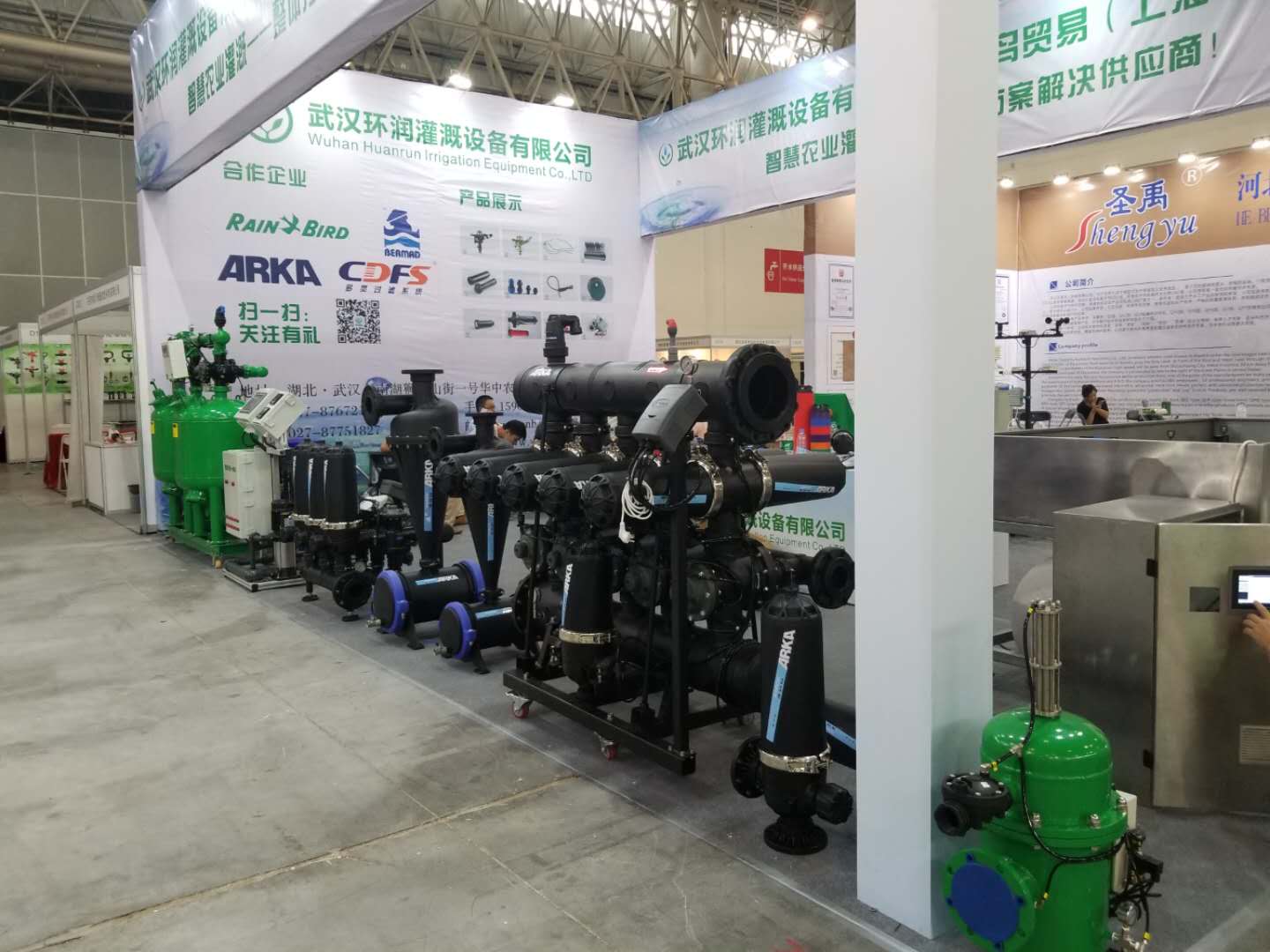
- Multi-stage filtration: Hydrocyclone sand separators, screen filters, or sand media filters installed immediately after the intake to remove sediment, algae, and organic debris that can clog emitters or furrow inlets. The same 2022 IWMI report found that 62% of operational gravity system failures were tied to missing or undersized filtration, leading to 38% lower crop yields on affected plots due to uneven water distribution.
- Distribution network: Sub-main pipes, lateral lines, and application hardware (drip emitters, drip tape, furrow gates, low-pressure sprinklers) that deliver water directly to crop rows.
- Flow and pressure control structures: Gate valves, inline pressure regulators, air release valves, and flush valves that maintain consistent pressure across the network, prevent pipe blowouts on steep slopes, and allow for regular system maintenance. Without these controls, low-elevation plots can experience 2–3x higher pressure than high-elevation plots, leading to massive overwatering at the bottom of slopes and underwatering at the top.
- Measurement tools: Staff gauges at the source and key distribution points, pressure gauges at zone inlets, and optional water meters to track application rates, ensure distribution equity, and detect leaks early.
Proven Performance: Global Adoption and Measurable Impact Data
Gravity fed irrigation is the most widely used irrigation method in the world, with a track record of performance across scales from 0.1-hectare smallholder plots to 16-million-hectare regional canal networks. Key adoption and impact metrics, compiled from 2022–2024 global agricultural datasets, include:
- 127 million hectares of agricultural land globally are irrigated via large-scale gravity canal systems, representing 58% of all global irrigated area (World Bank 2024). The vast majority of this area is in South Asia, China, and the western United States, where large river diversions feed gravity-fed canal networks.
- 41% of smallholder irrigators in South and Southeast Asia use low-cost gravity fed drip or furrow systems, compared to 19% using pumped systems, due to prohibitive fuel and electricity costs for pumps (IWMI 2023).
- Well-designed gravity fed micro-irrigation systems reduce irrigation water use by 42% compared to traditional unimproved flood gravity systems, while increasing high-value vegetable yields by 27%, per a 2022 USDA study of gravity schemes in the Appalachian region of the U.S.
- Gravity systems have 73% lower lifecycle greenhouse gas (GHG) emissions than diesel-pumped irrigation systems, and 48% lower emissions than grid-electric pumped systems, because they eliminate all operational energy use for water pressurization. Lifecycle emissions for gravity drip systems average 23 kg of CO2 equivalent per hectare per year, compared to 86 kg CO2e/ha/year for diesel-pumped sprinkler systems (IPCC 2023 Irrigation Emissions Inventory).
- Average installation costs for small-scale gravity fed drip systems range from $375–$620 per hectare, compared to $1,200–$1,850 per hectare for solar-pumped drip, $820–$1,150 per hectare for diesel-pumped systems, and $950–$1,400 per hectare for grid-connected pumped drip (FAO 2024 Small-Scale Irrigation Cost Guide).
- A 2023 University of California Agriculture and Natural Resources (UC ANR) study found that gravity fed micro-irrigation systems for small-scale specialty crop farms have an average payback period of 1.2 years, compared to 4.7 years for solar-pumped drip and 3.9 years for grid-connected drip systems.
These metrics explain why gravity systems are the fastest-growing irrigation technology for smallholder and mid-sized farms in both high-income and low-income contexts, particularly as energy costs and carbon accounting requirements become more central to farm profitability.
Common Gravity Fed Irrigation Configurations, With Real-World Use Cases
Gravity systems are highly adaptable to different terrain types, water sources, and crop production models. Four of the most widely deployed configurations are outlined below, with real-world operational data:
1. Large-Scale Lined Canal Gravity Irrigation
This is the oldest and largest-scale gravity configuration, using graded, lined canals to divert water from rivers or reservoirs across extensive command areas. Canals are engineered to a consistent 0.05–0.2% slope to maintain steady flow without erosion or sediment deposition. The largest contiguous gravity irrigation network in the world is the Indus Basin Irrigation System in Pakistan, which serves 16 million hectares of cropland, with 90% of flow delivered via gravity from the Indus River and its tributaries and no intermediate pumping for 82% of the command area. A 2023 assessment of the system found that upgrading 12,000 kilometers of unlined earthen canals to concrete-lined canals increased conveyance efficiency from 58% to 79%, reducing annual water losses by 12.3 billion cubic meters—enough water to irrigate an additional 1.8 million hectares of wheat, with zero additional energy costs.
2. Hillside Spring-Fed Gravity Micro-Irrigation
This configuration is ideal for sloped terrain where permanent springs are located at a higher elevation than crop plots, requiring no water storage other than small spring catchment boxes. Water is piped directly from the spring source through a filtration system to low-pressure drip lines installed across crop beds. Between 2018 and 2023, the USAID Gravity Irrigation for Resilience project installed 427 spring-fed gravity drip systems serving 12,800 smallholder farms on 15–35% slopes in western Kenya, with spring sources located 12–28 meters above the highest plot in each scheme to generate 5.2–12.1 psi of pressure—perfect for low-pressure drip emitters rated for 3–15 psi. Five-year monitoring data showed 98% of the systems remained operational, compared to a 42% operational rate for nearby diesel-pumped drip schemes over the same period (which failed due to high fuel costs and lack of pump repair services). Participating farmers saw an average 189% increase in household income from horticulture crop sales, with average water application efficiency of 87%.
3. Elevated Tank Gravity Fed Irrigation for Flat Terrain
For flat terrain with no natural elevation difference between water sources and crop fields, operators can install an elevated storage tank to create the required pressure head. Water is pumped into the tank once (often during off-peak electric hours, or via small solar pumps) and then distributed entirely via gravity, reducing energy use by 60–70% compared to constant-pressure pumped systems. A 40-hectare organic vegetable farm in central Ohio installed this configuration in 2021, using an 113,500-liter (30,000-gallon) elevated steel tank positioned 9 meters (30 feet) above the highest field point to generate a consistent 13 psi across its drip network. The farm collects rainwater from barn roofs and pumps filtered pond water to the tank during off-peak overnight electric hours, when rates are 70% lower than peak daytime rates. 2023 farm records show annual irrigation energy costs of $1,280, compared to $4,720 in annual energy costs for a neighboring 38-hectare vegetable farm using a constant-pressure grid-powered pumped drip system.
4. Contour Furrow Gravity Irrigation for Row Crops
This upgraded traditional configuration uses graded contour furrows aligned to a 0.3–0.8% slope, with gated pipe inlets fed from an elevated pond or canal to deliver water to row crops like corn, soybeans, and cotton. Unlike traditional straight furrows that run up and down slopes (and cause severe erosion), contour furrows follow land elevation lines to slow water flow and increase infiltration. A 120-hectare no-till corn and soybean farm in southern Iowa installed this system in 2020, using gated pipe fed from a hilltop farm pond, with surge valves to adjust flow rates and prevent runoff. 2022 USDA yield data from the farm showed corn yields of 12.3 tons per hectare, compared to the county average of 10.8 tons per hectare, with 31% less irrigation water applied than in ungraded flood irrigation systems.
Head-to-Head Performance Comparison: Gravity Fed vs. Pressurized Pumped Irrigation
While gravity fed systems have been used for millennia, modern design improvements have made them competitive with high-tech pressurized pumped systems across most performance metrics. The table below compares key performance, cost, and longevity metrics across the four most common irrigation system types, using data from peer-reviewed 2022–2024 global irrigation surveys:
| Performance Metric | Gravity Fed Irrigation (Micro-Drip/Improved Furrow) | Solar-Pumped Pressurized Drip | Diesel-Pumped Sprinkler | Grid Electric Pressurized Sprinkler |
|---|---|---|---|---|
| Lifecycle GHG Emissions (kg CO2e/ha/year, IPCC 2023) | 23 (equipment manufacturing only) | 44 (panel manufacturing, battery replacement) | 86 (fuel combustion, equipment wear) | 48 (average grid generation emissions) |
| Average Installation Cost (USD/ha, FAO 2024) | $375–$620 | $1,200–$1,850 | $820–$1,150 | $950–$1,400 |
| Annual O&M Cost (USD/ha, USDA 2022) | $25–$45 (filter cleaning, valve repairs) | $130–$210 (battery replacement, pump service) | $380–$520 (fuel, pump repairs, oil changes) | $270–$390 (electricity, pump maintenance) |
| 10-Year System Survival Rate (smallholder schemes, %, IWMI 2022) | 89% | 51% | 32% | 64% |
| Average Application Efficiency (%, FAO 2023) | 82–90% (micro-drip); 65–75% (improved furrow) | 85–92% | 60–70% | 62–72% |
| Minimum Operating Pressure (psi, Irrigation Association 2024) | 3–15 psi | 15–30 psi | 30–50 psi | 30–50 psi |
| Average Yield Gain Over Rainfed Production (%, World Bank 2023) | 68% | 72% | 54% | 61% |
Notably, while solar-pumped drip has a slightly higher maximum application efficiency than gravity micro-drip, the far lower installation and maintenance costs of gravity systems deliver a 3x higher 10-year return on investment for operators with access to sufficient elevation head, per 2024 World Bank ROI analysis of 500 smallholder irrigation schemes across 15 countries. The data also shows that gravity systems have the highest long-term survival rate in low-resource contexts, because they do not rely on complex mechanical parts, fuel supply chains, or reliable electricity access to operate.
Step-by-Step Gravity Fed Irrigation System Design Best Practices (With Engineering Benchmarks)
Poorly designed gravity systems can suffer from uneven water distribution, low pressure, and frequent clogging, but following evidence-based engineering standards eliminates these issues. These five steps align with Irrigation Association low-pressure design guidelines and have been tested across thousands of operational schemes:
Step 1: Conduct a Topographic Survey to Confirm Viable Pressure Head
The first non-negotiable design step is to measure elevation differences between the water source intake, the highest point in the irrigated area, and the lowest point in the irrigated area using a laser level or GPS survey tool. The core design benchmarks for viability are:
- A minimum of 1 meter (3.28 feet) of elevation drop per 100 meters of mainline pipe to overcome friction losses, plus additional head to meet emitter pressure requirements (3 psi minimum for low-pressure drip emitters).
- Total available head is calculated by multiplying total vertical elevation drop (in feet) by 0.433 to get total static psi, then subtracting friction losses from pipes, filters, and valves to get net operating pressure. A 2022 Irrigation Association audit of small-scale gravity systems found that 34% of failed designs skipped this step, leading to insufficient pressure at high-elevation plots and 50%+ lower emitter flow rates.
Step 2: Size Pipes to Minimize Friction Loss and Ensure Uniform Flow
Pipe sizing is critical for gravity systems, as there is no pump to compensate for excess friction loss. Design standards require:
- Mainlines sized to keep flow velocity below 1.5 meters per second (5 feet per second) to avoid excessive friction and pipe wear. For reference, 50mm (2-inch) PVC pipe has a friction loss of 0.15 psi per 100 feet at a flow rate of 10 gallons per minute.
- Sub-mains sized to deliver design flow to each lateral block with no more than 10% pressure variation across the entire network—this is the industry standard for uniform water application.
- Lateral lines for drip systems limited to a maximum length of 60 meters (200 feet) for 16mm drip tape operating at 7 psi, per Netafim’s 2024 low-pressure drip design guide, to keep flow variation below 10%.
Step 3: Install Multi-Stage Filtration Matched to Water Source Quality
Low flow rates in gravity systems make them more susceptible to clogging than high-pressure pumped systems, so filtration is non-negotiable. Required filtration levels by source type are:
- Spring/groundwater sources: 120-mesh screen filter installed immediately after the intake
- Pond/canal/surface water sources: 20-mesh hydrocyclone sand separator to remove heavy sediment, followed by a 120-mesh screen filter, plus an optional sand media filter for sources with high algae loads
- Rooftop rainwater catchment: 80-mesh screen filter to remove leaf litter and debris
Data from IWMI shows that gravity systems with correctly sized filtration have a 94% 10-year survival rate, compared to 38% for systems without adequate filtration.
Step 4: Integrate Pressure Regulation for Sloped Terrain
Pressure increases as water moves downslope, so unregulated sloped systems will have drastically uneven water application between high and low elevation plots. Proven regulation strategies include:
- Pressure-compensating (PC) drip emitters, which deliver a consistent flow rate across a 3–15 psi pressure range, making them ideal for sloped gravity systems
- Inline pressure regulators at each sub-main takeoff, set to the design operating pressure (usually 7–10 psi for drip systems) to prevent pipe blowouts and overwatering at low elevations
- Adjustable flow gates for furrow systems, calibrated to match the required inflow rate for each furrow based on slope, length, and soil infiltration rate
Step 5: Design for Easy Maintenance Access
Small design choices can cut long-term maintenance time by 70% and extend system life by 10+ years. Key features to include are:
- Flush valves installed at the lowest point of every mainline and lateral line, to allow regular sediment flushing
- Air release valves at the highest point of every mainline, to prevent air locks that can reduce flow by 40% or more
- Easy-access filter ports for weekly cleaning, without requiring full pipe disassembly
- Staff gauges at the reservoir and key distribution points to track flow levels and detect leaks early
Practical Design Example: A 2-hectare organic vegetable farm in western North Carolina has an 8% average slope, with a spring source located 14 meters (46 feet) above the highest plot. Total static pressure from elevation is 20 psi. Friction loss across 2,200 feet of 2-inch PVC mainline at a 20 gpm design flow is 2.86 psi, with an additional 2 psi loss from filters and valves, leaving a net pressure of 15.1 psi at the highest plot—more than enough for low-pressure PC emitters rated for 3–15 psi. At the lowest plot, 22 meters (72 feet) below the source, raw unregulated pressure would be 31 psi, which exceeds the 15 psi maximum pressure rating for standard drip tape, so inline pressure regulators set to 10 psi are installed at each sub-main on lower slopes. Total 2023 installation cost was $1,040 ($520 per hectare, aligned with FAO cost benchmarks), and the farm reported 2023 tomato yields of 72 tons per hectare—22% above the county average—with zero irrigation energy costs.
Common Challenges and Evidence-Based Solutions
While gravity systems are highly reliable when designed correctly, operators may encounter four common challenges, all of which have proven, low-cost solutions:
Challenge 1: Uneven Water Distribution Across Slopes
Without proper pressure regulation, yield gaps between upper-slope and lower-slope plots can reach 40% or more, per 2023 UC ANR research. Solutions include using pressure-compensating emitters (which reduced yield gaps to 6% in the western Kenya USAID project, down from 42% with non-PC emitters), dividing the command area into separate pressure zones based on elevation with dedicated regulators for each zone, and shortening furrow lengths to a maximum of 100 meters on slopes steeper than 2% to reduce infiltration differences between the top and bottom of furrows.
Challenge 2: Emitter and Pipe Clogging
As noted earlier, 62% of gravity system failures are tied to clogging from sediment, algae, and organic debris. Solutions include installing multi-stage filtration matched to water source quality, flushing lateral and main lines every 2–3 weeks during the irrigation season, constructing a 2-meter-deep settling basin at canal and pond intakes to allow heavy sediment to drop out before water enters pipes, and applying a 1ppm chlorine treatment once per month during algae bloom season to prevent biofilm growth in emitters.
Challenge 3: Seasonal Water Supply Variability
Many gravity systems rely on rain-fed springs, streams, and ponds, which can see flow reductions of 60–80% during extended dry seasons. Solutions include constructing a lined storage reservoir at the highest elevation point, sized to hold 3–7 days of peak irrigation demand (peak vegetable water demand is 5–7mm per day, so a 1-hectare farm requires 50–70 cubic meters of storage for 7 days of supply), implementing deficit irrigation during drought-tolerant crop growth stages to reduce water use by 20–30% with no significant yield loss (FAO 2023), and applying organic mulch to crop beds to reduce soil evaporation by 40–50%.
Challenge 4: High Upfront Labor for Canal and Pipe Installation
Large community gravity canal schemes can require 200–300 person-days of labor per hectare for construction, which can be a barrier for cash-constrained communities. Solutions include organizing community labor-sharing programs, which reduce cash outlays by 70% on average for smallholder schemes (World Bank 2022), and prioritizing piped systems over open canals: piped systems reduce conveyance losses by 80–90%, so smaller pipe diameters can be used, cutting material costs by 35% on average compared to canal systems sized to account for high seepage losses.
Real-World ROI Case Studies
Across farm scales and geographies, well-designed gravity fed systems deliver consistently high returns on investment. Three case studies from operational schemes illustrate these returns:
Case Study 1: 0.8-Hectare Smallholder Coffee Farm, Cajamarca, Peru
In 2019, a smallholder coffee farmer installed a spring-fed gravity drip system, with the spring source located 18 meters above the farm, 120-mesh screen filtration, and pressure-compensating emitters. Total installation cost was $410. Before installation, the farmer relied on rainfed production and manual bucket watering, which required 3 hours of labor per day during the dry season, with average coffee yields of 0.8 tons per hectare. By 2023, coffee yields had increased to 1.7 tons per hectare, irrigation labor dropped to 20 minutes per day, and annual additional income from increased coffee sales was $1,120, delivering a full payback period of 4.4 months. During the 2022–2023 regional drought, which reduced rainfed coffee yields by 38% across the region, the farmer’s yields dropped by only 4%, thanks to consistent gravity-fed water supply from the permanent spring.
Case Study 2: 60-Hectare Regenerative Almond Orchard, Northern California
In 2020, a mid-sized almond orchard installed an elevated tank gravity fed subsurface drip system, with a 7-meter-tall, 378,500-liter (100,000-gallon) steel tank positioned at the highest point of the property. Water is pumped from a nearby creek to the tank during winter high-flow periods (when water rights allow diversions and electric rates are lowest), then distributed via gravity during the growing season. Total installation cost was $31,200, compared to $68,900 for a comparable constant-pressure pumped subsurface drip system. 2023 operational data showed annual irrigation energy costs of $890, compared to $6,240 for a neighboring 58-hectare almond orchard using a pumped drip system. Application efficiency reached 91%, with average almond yields of 2.8 tons per hectare (12% above the county average), delivering a 2.1-year payback period from reduced energy and water costs plus higher yields.
Case Study 3: 1,200-Hectare Community Canal Scheme, Central Nepal
Between 2017 and 2019, an Asian Development Bank-funded project upgraded an unlined earthen gravity canal system in central Nepal, adding 42 kilometers of concrete-lined canals, flow control gates, and sediment settling basins to serve 840 smallholder farms growing rice, wheat, and vegetables. Total project cost was $1.28 million. Before the upgrade, the earthen canal system had a conveyance efficiency of 48%, with 30% of tail-end farmers receiving no irrigation water during the dry season, and average system-wide rice yields of 3.2 tons per hectare. By 2023, conveyance efficiency increased to 81%, 98% of tail-end farmers received their full water allocation, average rice yields reached 5.1 tons per hectare, and total annual increased crop value across the scheme was $2.17 million, delivering a 3.2-year payback period. Annual maintenance costs are only $28 per hectare, compared to $112 per hectare for a nearby pumped irrigation scheme of similar size.
Long-Term Maintenance Checklist for Maximum Longevity
Gravity systems have very low maintenance requirements compared to pumped systems, but following a regular maintenance schedule extends system life from an average of 15 years to 30+ years, per IWMI data. The checklist below is aligned with global best practices:
- Weekly Tasks (Irrigation Season)
- Inspect filter screens and remove accumulated sediment, leaves, and debris; clogged filters can reduce system flow by 50% in as little as 3 days when using surface water sources
- Check pressure gauges at key zone inlets to ensure pressure stays within the 7–15 psi target range for drip systems, adjusting valves as needed
- Walk 10% of lateral lines each week to check for leaks, damaged emitters, or rodent damage, repairing issues immediately to prevent water loss
- Monthly Tasks (Irrigation Season)
- Flush all lateral lines by opening end caps for 2–3 minutes until water runs clear, removing accumulated sediment
- Inspect air release valves at high points to ensure they are not stuck, which can cause air locks that reduce flow by 40% or more
- For furrow systems, clear debris from gated pipe inlets and check furrow grade for erosion or sediment buildup that disrupts flow
- Seasonal Tasks (Start/End of Irrigation Season)
- Flush all mainlines and sub-mains by opening low-point flush valves for 5–10 minutes to remove built-up sediment
- Drain all pipes in climates with freezing winter temperatures to prevent cracking; frozen water expands by 9%, which can rupture PVC pipes if not fully drained
- Inspect reservoir intakes and settling basins, removing accumulated sediment to prevent it from entering the pipe network
- Test all pressure regulators and valves for proper operation, replacing worn parts as needed
- Annual Tasks
- Conduct a full pressure survey across the network to identify shifts in pipe alignment or pressure changes due to sediment buildup or pipe wear
- Repair eroded sections of open canals, and apply sealant to cracked lined canal sections to reduce seepage
- Conduct a water application uniformity test using catch cups across 10% of the irrigated area, targeting a uniformity coefficient of 85% or higher for micro-irrigation systems; replace clogged emitters or adjust regulators if uniformity drops below this threshold
Is a Gravity Fed Irrigation System Right for Your Operation?
Gravity systems deliver unmatched ROI, low operational costs, and climate resilience, but they are not ideal for every context. Operators can use the following guidelines to evaluate fit:
Ideal Use Cases
- Farms with a minimum 1-meter elevation drop per 100 meters of pipe length between the water source and irrigated area, or space to install an elevated storage tank to create the required pressure head
- Operations in areas with high energy costs, unreliable grid power, or limited access to fuel for diesel pumps
- Smallholder farmers with limited upfront capital, or operations seeking to reduce input costs to improve profitability
- Farms growing high-value horticulture, orchard, or row crops that benefit from consistent, low-pressure water application
- Operations targeting low-carbon or net-zero production, as gravity systems have the lowest lifecycle GHG emissions of any commercially available irrigation method
Scenarios Where Gravity Systems Are Not the Best Fit
- Completely flat terrain with no space to install an elevated storage tank, and no ability to create the minimum required elevation head for flow
- Operations exclusively using high-pressure center pivots or impact sprinklers, which require 30+ psi of pressure to operate correctly (low-pressure sprinklers can be used with gravity systems, but high-pressure models cannot)
- Locations where the only available water source is located far below the elevation of crop fields, with no feasible way to pump water to an elevated storage point (even in these cases, however, a one-time pump to an elevated tank typically delivers lower long-term costs than constant pressurized pumping)
For most operations with access to even modest elevation differences, modern gravity fed irrigation systems offer a lower-cost, more reliable, and more climate-resilient alternative to pumped irrigation, with a decades-long track record of proven performance across every major agricultural production region in the world.