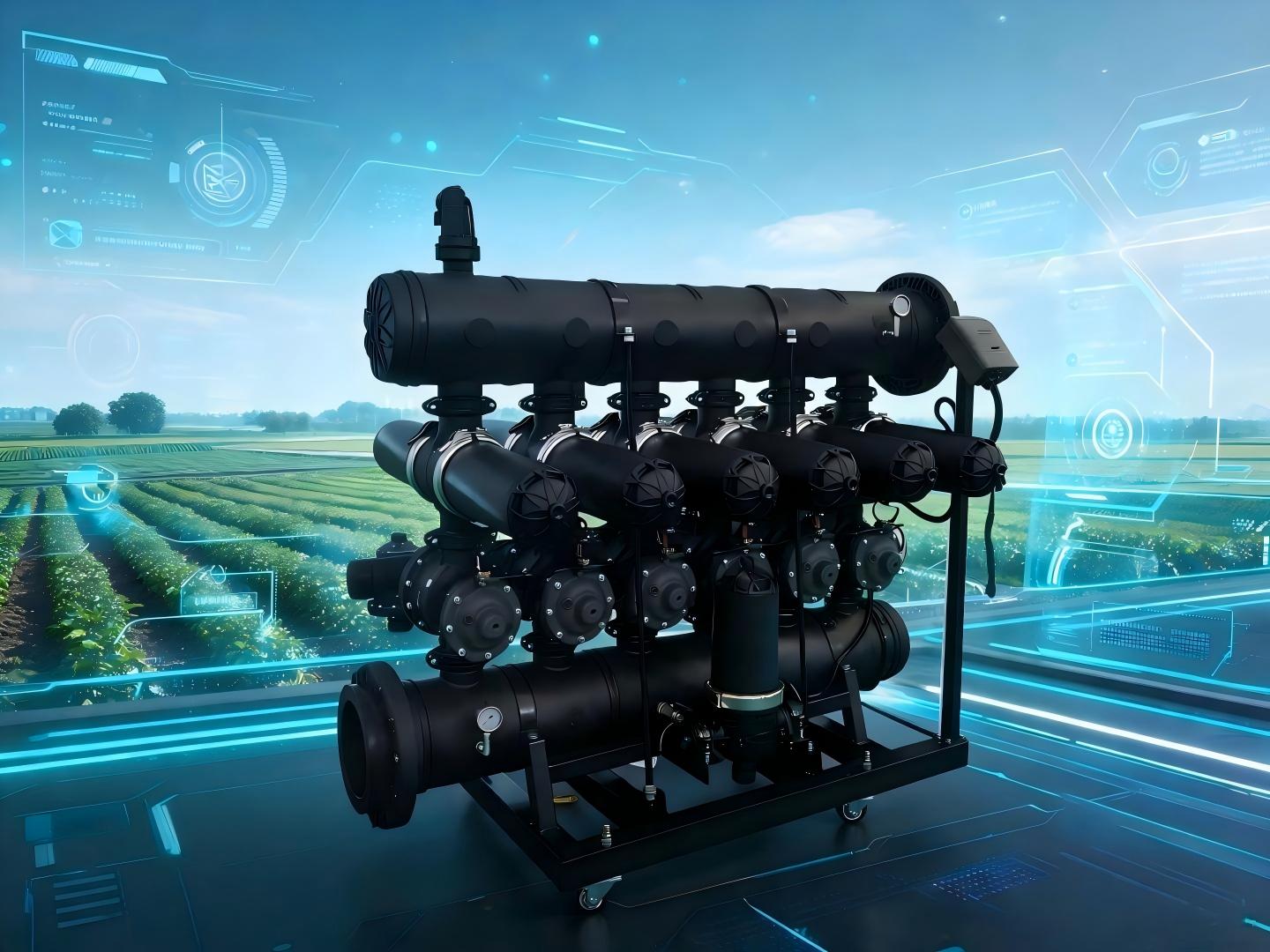
Filter Housing Materials Comparison: A Data-Driven Guide for Agricultural Irrigation Systems
Pressurized agricultural irrigation systems – including drip, micro-sprinkler, center pivot, and traveling gun designs – now serve 58% of all irrigated cropland in the United States, per the 2022 USDA Census of Agriculture, delivering 30–50% higher water use efficiency than flood irrigation. A critical, often overlooked, component of these systems is the filter housing: the pressure-rated vessel that holds screen, disc, or media filter elements to remove sediment, algae, and debris that would otherwise clog emitters, reduce application uniformity, and cut crop yields. Selecting the wrong filter housing material is a costly mistake: 2023 Irrigation Association data shows 38% of premature irrigation filter failures stem from incompatible material selection, leading to an average of 47 hours of unplanned downtime per failure during peak germination and fruiting windows, and $12,400 in lost crop revenue per 100 acres for high-value crops like berries, almonds, and leafy greens. This guide compares all common filter housing materials used in agricultural irrigation, using third-party tested performance data, real-farm case studies, and total cost of ownership calculations to help growers, irrigation designers, and farm equipment managers select the optimal material for their specific operating conditions.
Why Filter Housing Material Selection Makes or Breaks Agricultural Irrigation Performance
The Stakes of Poor Material Choice for Farm Operations
Unlike residential or commercial water filtration systems, agricultural irrigation filter housings operate in harsh, variable conditions: extreme temperature swings, prolonged UV exposure, high-pressure surges from water hammer, constant contact with fertilizers and pesticides, and water sources with high sediment, salinity, or microbial loads. A 2024 University of California Cooperative Extension survey of 800 irrigated farms found that 72% of small-scale row crop operators who selected filter housings based solely on lowest upfront price replaced their units every 2–3 years due to cracking, corrosion, or chemical degradation, compared to just 12% of operators who matched housing material to their water source and operating conditions, who reported 10+ year service lives with minimal maintenance.
Failures tied to poor material selection create cascading costs beyond just housing replacement: burst housings can lead to massive water waste, sediment breakthrough that clogs 10–30% of drip emitters in a single zone, non-compliance with food safety regulations if non-food-grade materials leach chemicals into edible crop irrigation water, and missed chemigation application windows that reduce pest and disease control efficacy. For example, a 2022 case study from Texas A&M AgriLife Extension documented a 60-acre cotton farm that lost 14% of its crop after PVC filter housings, rated for 150 PSI at 73°F, burst during a 140°F heatwave when pressure ratings dropped to 50 PSI, leading to a 36-hour outage during critical boll development.
Key Performance Metrics for Irrigation Filter Housings
To accurately compare filter housing materials, it is critical to evaluate performance against standard metrics aligned with agricultural operating conditions, rather than relying on generic industrial filtration specifications. Core evaluation criteria include:
- Pressure rating: The maximum continuous pressure the housing can withstand at a given temperature, adjusted for pressure derating at high temperatures and expected water hammer surges (typically 2–3x normal operating pressure during valve cycling). Agricultural systems operate at 15 PSI for low-pressure drip up to 300 PSI for high-pressure traveling gun sprinklers.
- Corrosion and chemical resistance: Ability to withstand common irrigation water contaminants and inputs, including sediment, high total dissolved solids (TDS), iron bacteria, saline groundwater, nitrogen/phosphorus/potassium fertilizers, herbicides, fungicides, and oxidizing chemigation agents like chlorine and peracetic acid, across a pH range of 4.5 (acidic soil amendment water) to 9.0 (alkaline groundwater).
- Temperature tolerance: Ability to maintain structural integrity across temperatures ranging from 20°F (winter freeze events) to 180°F (summer surface water, heated chemigation mixes).
- Impact and environmental resistance: Ability to withstand physical impacts from farm equipment, installation stress, freeze-thaw cycles, and prolonged UV exposure from direct sunlight.
- Total cost of ownership (TCO): Combined cost of upfront purchase, installation labor, routine maintenance, part replacements, unplanned downtime, and crop loss over the expected service life of the housing.
- Regulatory compliance: Alignment with NSF/ANSI 61 drinking water standards for edible crop irrigation, USDA National Organic Program (NOP) requirements for organic operations, and local water quality regulations.
Core Filter Housing Materials Used in Modern Agricultural Irrigation
Seven materials make up 99% of filter housing sales for agricultural irrigation applications, per 2024 Grand View Research data, each with distinct performance tradeoffs, ideal use cases, and limitations. Below is a detailed breakdown of each material, with third-party tested performance data and real-farm application examples.
PVC (Polyvinyl Chloride) Filter Housings
UV-stabilized schedule 40 PVC is the most widely used filter housing material in agriculture, holding 42% of the global market share due to its low cost, ease of installation, and reliable performance in low-pressure systems. Standard PVC housings are rated for 150 PSI at 73°F, but pressure ratings drop 67% to 50 PSI when water temperatures reach 140°F, making them vulnerable to failure during summer heatwaves. Independent Texas A&M AgriLife Extension testing found that non-UV-stabilized PVC loses 28% of its tensile strength after 24 months of direct sun exposure, while UV-stabilized PVC reduces that loss to 12% after 36 months. PVC is compatible with most common granular and liquid fertilizers at concentrations under 30%, but degrades rapidly when exposed to acetone-based herbicides, chlorine concentrations above 5 ppm, or pH levels below 4.5.
Pricing for PVC housings ranges from $18–$75 for 1–2 inch inlet/outlet models suitable for 10–50 GPM flow rates, and $120–$300 for 3–4 inch models for 50–200 GPM high-flow zones. A 40-acre vegetable farm in southern Georgia, using well water with 200 ppm TDS and operating a drip tape system at 45 PSI for fresh-market tomatoes, installed UV-stabilized schedule 40 PVC filter housings in covered valve boxes in 2018. As of 2024, the housings remain fully functional, with only annual O-ring replacements required, totaling $120 in maintenance costs over 6 years – a 75% cost reduction compared to the farm’s previous practice of replacing non-UV-stabilized above-ground PVC housings every 2 years. Key limitations of PVC include susceptibility to cracking during freeze-thaw cycles if not fully drained, low tolerance for high-pressure applications above 100 PSI at ambient temperatures, and incompatibility with oxidizing chemigation agents at concentrations over 1%.
CPVC (Chlorinated Polyvinyl Chloride) Filter Housings
CPVC is a chemically modified form of PVC with extra chlorine molecules in the polymer structure, holding 11% of the agricultural filter housing market, primarily in warm-climate operations with frequent chemigation. CPVC has a pressure rating of 200 PSI at 73°F and can withstand continuous temperatures up to 200°F, compared to 140°F for standard PVC. NSF International testing found CPVC is 3x more resistant to chlorine and oxidizing algaecides than standard PVC, with no measurable material degradation after 12 months of continuous exposure to 10 ppm chlorine solutions.
CPVC housings cost 30–40% more than comparable PVC models, ranging from $25–$105 for 1–2 inch units and $170–$420 for 3–4 inch units. A 120-acre citrus grove in central Florida, using surface water from a retention pond and operating a micro-sprinkler system at 70 PSI with weekly chlorine dioxide chemigation to control algae and Phytophthora root rot, installed CPVC filter housings in 2020. Prior to the switch, standard PVC housings cracked and degraded after 18 months of chlorine exposure, requiring $1,200 in replacement parts and 22 hours of downtime during the 2019 fruiting season, which caused an estimated $3,800 in lost citrus yield from water stress. The CPVC housings have required only annual filter screen replacements since installation, with zero measurable material degradation as of 2024. Key limitations of CPVC include increased brittleness at temperatures below 40°F, leading to a 2x higher crack risk during cold-weather installation, and incompatibility with aromatic hydrocarbon herbicides like xylene-based formulations, which can cause the material to swell and crack.
Polypropylene (PP) Filter Housings
Glass-filled and UV-stabilized polypropylene accounts for 18% of agricultural filter housing sales, with particularly high adoption among small-scale organic and specialty crop operations. Reinforced glass-filled PP housings are rated for up to 250 PSI at 70°F, with standard (non-reinforced) PP rated for 150 PSI. The Plastics Industry Association reports that PP has the broadest chemical compatibility of any thermoplastic housing material, resisting 97% of commonly used agricultural fertilizers, herbicides, and fungicides across a pH range of 1–14. UV-stabilized PP loses less than 5% of its tensile strength after 36 months of direct sun exposure, outperforming both PVC and CPVC for above-ground installations.
PP housings cost 10–20% more than comparable PVC models, ranging from $22–$90 for 1–2 inch units and $150–$380 for 3–4 inch reinforced models. A 25-acre organic blueberry farm in western Oregon, using rainwater catchment with a pH of 5.2 and operating a drip system at 60 PSI with monthly applications of fish emulsion and sulfur-based fungicides, installed glass-filled PP filter housings in 2017. Prior to the switch, PVC housings developed micro-cracks from continuous low-pH water exposure after 3 years, leading to sediment breakthrough that clogged 12% of drip emitters and reduced blueberry yield by 8% in 2016. The PP housings have shown no signs of chemical degradation after 7 years, with annual emitter clogging rates dropping to 0.8%. Key limitations of standard (non-reinforced) PP include warping at temperatures above 170°F, lower impact resistance than PVC at sub-freezing temperatures, and pressure ratings that drop by 50% at 150°F.
304 Stainless Steel Filter Housings
304 austenitic stainless steel is the most common metal filter housing material in agriculture, accounting for 13% of total market sales, with dominant use in high-pressure center pivot and large-scale row crop operations. Standard 304 SS housings are rated for 150–300 PSI across a temperature range of -20°F to 300°F, with zero pressure derating at high summer temperatures – a critical advantage for high-pressure systems in hot climates. Composed of 18% chromium and 8% nickel, 304 SS resists corrosion from neutral-pH freshwater, standard synthetic fertilizers, and outdoor exposure, but is susceptible to chloride-induced pitting when exposed to water with chloride levels above 200 ppm (common in coastal areas or saline aquifers). Nickel Institute testing measured a corrosion rate of 0.12 mm per year for 304 SS exposed to 500 ppm chloride water, leading to pinhole leaks within 2–3 years of continuous use.
304 SS housings cost significantly more than thermoplastics, ranging from $85–$220 for 1–2 inch models and $450–$1,200 for 3–6 inch high-flow units. A 500-acre corn and soybean operation in central Iowa, operating center pivot systems at 120 PSI with groundwater containing 80 ppm chloride and neutral pH, installed 304 SS filter housings on all 8 pivots in 2015. As of 2024, the housings remain fully functional, with no structural degradation, requiring only annual screen cleanings and O-ring replacements. The farm estimates a 62% lower TCO over 9 years compared to replacing plastic housings every 4 years, which would have cost $7,200 more in parts and labor. Key limitations of 304 SS include susceptibility to chloride pitting within 10 miles of coastal salt spray, the need for periodic passivation to maintain corrosion resistance, and higher installation labor costs due to the material’s weight.
316 Stainless Steel Filter Housings
316 marine-grade stainless steel accounts for 8% of agricultural filter housing sales, concentrated in high-value coastal operations, saline water sites, and commercial edible crop facilities. 316 SS has the same pressure and temperature ratings as 304 SS (150–300 PSI, -20°F to 400°F), with heavy-duty models rated up to 600 PSI for high-pressure traveling gun systems. The addition of 2–3% molybdenum to the alloy increases chloride resistance to 1,000+ ppm, with a measured corrosion rate of just 0.002 mm per year at 1,000 ppm chloride, per Nickel Institute data. 316 SS meets all NSF/ANSI 61 and FDA food contact requirements, making it suitable for organic edible crop operations where plastic leaching is a concern.
316 SS housings cost 40–60% more than comparable 304 SS models, ranging from $120–$350 for 1–2 inch units and $650–$1,800 for 3–6 inch models. An 80-acre avocado orchard in coastal southern California, located 2 miles from the Pacific Ocean and using groundwater with 750 ppm chloride to operate high-pressure sprinklers at 110 PSI, installed 316 SS filter housings in 2019. The farm previously used 304 SS housings, which developed pitting leaks after 2.5 years due to salt spray and high-chloride water, leading to 36 hours of downtime during the 2018 dry season that reduced avocado yield by 6% – equivalent to $19,200 in lost revenue at 2018 market prices. The 316 SS housings have shown no pitting or corrosion as of 2024, with annual inspection costs of just $120 per unit. Key limitations of 316 SS include the highest upfront cost of common housing materials, heavy weight that increases installation labor time by 30% compared to plastics, and risk of galvanic corrosion if paired with dissimilar metal piping without dielectric unions.
Fiberglass-Reinforced Plastic (FRP) Filter Housings
FRP, a composite material made of glass fiber strands embedded in cured thermoset resin, holds 6% of the agricultural filter housing market, with dominant use in large-scale high-flow operations like commercial nut orchards and turf farms. FRP housings are rated for 150–250 PSI across a temperature range of -40°F to 180°F, with zero UV degradation even after 20 years of direct exposure, per American Composites Manufacturers Association testing. The material is resistant to pH levels from 2–12, chloride levels up to 5,000 ppm, and nearly all agricultural chemicals, with a measured corrosion rate of <0.001 mm per year even in high-salinity brine water. FRP is 75% lighter than comparable steel housings, reducing installation labor time by 40%.
FRP housings range in price from $180–$480 for 2–4 inch models and $800–$2,100 for 6–12 inch high-flow units. A 1,200-acre almond orchard in California’s Central Valley, using recycled agricultural drainage water with 1,800 ppm TDS and 450 ppm chloride to operate a drip system at 55 PSI with frequent sulfuric acid chemigation to reduce pH and prevent emitter clogging, installed FRP filter housings in 2016. Prior to the switch, the farm used epoxy-coated carbon steel housings, which developed rust through pinholes in the epoxy coating after 3 years, leading to sediment breakthrough that clogged 9% of drip emitters and required $24,000 in emitter flushing and replacement costs in 2015. The FRP housings have required zero corrosion-related maintenance in 8 years, with an estimated 70% reduction in long-term maintenance costs. Key limitations of FRP include higher upfront cost than thermoplastics, susceptibility to cracking if struck by heavy farm equipment, inability to be field-welded for custom modifications, and a need for specialized fittings to connect to metal piping.
Epoxy-Coated Carbon Steel Filter Housings
Epoxy-coated carbon steel makes up the remaining 2% of the agricultural filter housing market, used primarily for temporary irrigation systems or low-budget operations in dry, low-corrosion environments. Carbon steel housings are rated for up to 300 PSI across -20°F to 250°F, with the highest impact resistance of any common housing material. Corrosion resistance relies entirely on the integrity of the epoxy coating: any chip or scratch from installation or equipment impact exposes the underlying steel, leading to rapid rusting with a corrosion rate of 0.5 mm per year, per American Iron and Steel Institute data. Average service life is 3–5 years if the coating is inspected and touched up annually, compared to 10+ years for stainless steel or FRP.
Epoxy-coated carbon steel housings cost 25–40% less than 304 SS models, ranging from $60–$180 for 1–2 inch units and $320–$900 for 3–6 inch models. A temporary 200-acre wheat irrigation installation in eastern Colorado, deployed for one growing season during a record drought, used epoxy-coated carbon steel housings for a portable sprinkler system; the low upfront cost was ideal for the short-term use case, and the housings were repurposed for a temporary forage crop irrigation system the following year after dry storage, with no rust-related issues. Key limitations of carbon steel housings include high annual maintenance requirements, unsuitability for permanent systems with high chloride, low pH, or frequent chemigation, easy coating chipping during installation, and lack of food safety certification unless a specialty NSF-listed epoxy is used (adding 20% to upfront cost).
Side-by-Side Filter Housing Material Comparison for Agricultural Irrigation
The table below synthesizes third-party performance data, pricing, and use case recommendations to allow direct, apples-to-apples comparison of all common agricultural filter housing materials for a standard 2-inch inlet, 100 GPM capacity unit, the most common size for 20–40 acre irrigation zones.
| Performance Metric | UV-Stabilized Schedule 40 PVC | CPVC | Glass-Filled Polypropylene | 304 Stainless Steel | 316 Stainless Steel | Fiberglass-Reinforced Plastic (FRP) | Epoxy-Coated Carbon Steel |
|---|---|---|---|---|---|---|---|
| 2024 Agricultural Irrigation Market Share | 42% | 11% | 18% | 13% | 8% | 6% | 2% |
| Standard Pressure Rating (73°F) | 150 PSI | 200 PSI | 250 PSI (reinforced) | 300 PSI | 300 PSI | 250 PSI | 300 PSI |
| Max Continuous Operating Temperature | 140°F | 200°F | 150°F | 300°F | 400°F | 180°F | 250°F |
| Maximum Chloride Tolerance (no pitting/corrosion) | 100 ppm | 150 ppm | 300 ppm | 200 ppm | 1,000+ ppm | 5,000+ ppm | <100 ppm (coating-dependent) |
| Tensile Strength Loss After 3 Years Direct UV Exposure | 12% (UV-stabilized; 28% non-stabilized) | 10% | 4% (UV-stabilized) | <1% | <1% | <1% | 8% |
| Average Upfront Cost (2-inch inlet, 100 GPM) | $45 | $63 | $60 | $150 | $220 | $190 | $110 |
| Expected Service Life (correct application) | 10–12 years | 12–15 years | 12–17 years | 20–25 years | 25–30 years | 20–25 years | 3–5 years |
| 10-Year Total Cost of Ownership (including labor/downtime) | $167 | $189 | $172 | $210 | $275 | $230 | $734 |
| NSF/ANSI 61 Food Safety Certification | Yes (NSF-listed grades only) | Yes (NSF-listed grades only) | Yes (NSF-listed grades only) | Yes (passivated) | Yes (all grades) | Yes (food-grade resin) | Rarely (requires specialty epoxy) |
| Ideal Core Use Cases | Low-pressure drip, fresh groundwater, covered installations, low chemigation | Warm-climate micro-sprinklers, chlorine-based algae treatment, elevated water temps | Organic production, low-pH water, acidic organic inputs, above-ground installation | High-pressure center pivots, inland low-chloride water, high-impact zones | Coastal high-chloride water, saline/recycled water, food crop systems | High-flow large-scale systems, high-salinity recycled water, heavy chemigation | Temporary irrigation, short-term installations, low-budget dry climate use |
| Not Recommended For | Pressure >100 PSI, high chlorine, un-drained freeze zones, >200 ppm chloride | Sub-freezing installation temps, aromatic hydrocarbon herbicides, pressure >150 PSI | Non-reinforced for pressure >100 PSI, temps >170°F | Coastal zones, >200 ppm chloride, pH <5.0 chemigation | Low-budget low-pressure systems where TCO does not justify upfront cost | High-impact zones without protection, custom field-modified installations | Permanent systems, high salinity, chemigation, edible crop production |
Key Comparative Takeaways from Performance Data
The performance data reveals several counterintuitive trends that contradict common farm purchasing practices that prioritize lowest upfront cost:
- For low-pressure, low-chemigation, low-budget operations, UV-stabilized PVC delivers the lowest 10-year TCO, with costs 78% lower than 316 SS for comparable flow rates, as long as pressure and temperature limits are observed.
- For operations using high-chloride, saline, or recycled water, FRP delivers 3x longer service life than epoxy-coated carbon steel at a 25% higher upfront cost, leading to 55% lower 10-year TCO.
- For coastal or high-chloride edible crop operations, 316 SS is the only metal material that meets both food safety requirements and corrosion resistance, with a service life 4x longer than 304 SS in 500+ ppm chloride environments.
- For organic operations using acidic organic inputs (fish emulsion, sulfur, compost tea), glass-filled polypropylene offers better chemical resistance than PVC at a 15% price premium, with zero risk of BPA or phthalate leaching that can violate organic certification standards.
- For high-pressure center pivot or traveling gun systems operating above 150 PSI, 304 SS, 316 SS, and FRP are the only materials that do not require pressure derating at summer operating temperatures, eliminating the risk of burst housings during peak irrigation demand.
- Epoxy-coated carbon steel has the highest 10-year TCO of any material, despite having the second-lowest upfront cost, due to frequent maintenance, replacement requirements, and downtime costs from rust-related failures.
Real-World Application Guide: Matching Filter Housing Material to Your Farm’s Irrigation Needs
Material selection cannot be made in a vacuum; the optimal choice depends entirely on site-specific system design, water source, crop type, and management practices. Below are evidence-based recommendations for the most common agricultural irrigation system types.
Low-Pressure Drip/Micro-Sprinkler Systems (15–60 PSI)
Low-pressure drip and micro-sprinkler systems serve 61% of U.S. pressurized irrigated cropland, per the 2022 USDA Census of Agriculture, and are used primarily for high-value specialty crops, vegetables, and orchards. Recommended materials vary by water source:
- Fresh groundwater, TDS <300 ppm, chloride <100 ppm, minimal chemigation: UV-stabilized PVC offers the lowest TCO, with a 10+ year service life when installed in covered valve boxes. Non-UV-stabilized PVC is only recommended for fully buried installations, as direct sun exposure cuts service life by 70%.
- Rainwater catchment, organic production, pH <6.0, frequent organic input applications: Glass-filled polypropylene resists acidic organic compounds and meets Organic Materials Review Institute (OMRI) organic certification requirements, with nearly identical TCO to PVC over 10 years.
- Surface water with weekly chlorine-based algae treatment: CPVC offers 3x better chlorine resistance than PVC, eliminating stress cracking from continuous oxidizer exposure.
A 30-acre small-scale vegetable farm in Ohio using well water (180 ppm TDS, 40 PSI drip system) initially purchased non-UV-stabilized PVC housings mounted above ground for easy filter access; after 2 years, the housings cracked due to UV degradation, leading to a 12-hour outage during the cucumber harvest. Replacing the units with UV-stabilized PVC mounted in valve boxes cost $180, and the new housings have a projected 12-year service life with zero UV-related risk.
High-Pressure Sprinkler/Center Pivot Systems (80–150 PSI)
High-pressure center pivot and sprinkler systems serve 32% of U.S. irrigated cropland, primarily for field crops like corn, soybeans, wheat, and alfalfa. Material recommendations are based on water chemistry and location:
- Inland operations with low-chloride groundwater (<200 ppm), standard synthetic fertilizer applications: 304 stainless steel delivers a 20+ year service life with minimal maintenance, and its zero pressure derating at high temperatures eliminates burst risk during summer heatwaves.
- Coastal operations, recycled water use, chloride levels >200 ppm: Choose between FRP and 316 SS. FRP is 40% lighter than 316 SS, reducing installation labor costs by $120–$200 per unit, while 316 SS offers higher impact resistance for housings located near tractor travel lanes.
An 800-acre corn farm in Nebraska installed 304 SS filter housings on 12 center pivots in 2012; after 12 years, the farm has spent only $1,100 total on O-ring and screen replacements. A neighboring farm that used PVC housings rated for 100 PSI experienced 7 burst housing events over 10 years, leading to $8,400 in crop loss and repair costs due to pressure derating during 90°F+ summer days.
High-Salinity/Recycled Water Systems (TDS >1,000 ppm, Chloride >300 ppm)
Per the 2023 USDA Farm and Ranch Irrigation Survey, 19% of U.S. irrigated farms now use recycled or saline drainage water for irrigation to reduce freshwater withdrawals and cut water costs. These high-corrosion environments require specialized materials:
- High-flow systems (>100 GPM): FRP is the optimal choice, as it resists chloride levels up to 5,000 ppm without corrosion, and its light weight reduces installation costs for large-diameter piping. A 2022 University of Arizona study found FRP filter housings used with 2,000 ppm chloride saline irrigation water had a 98% survival rate after 10 years, compared to a 12% survival rate for 304 SS housings and a 0% survival rate for epoxy-coated carbon steel housings over the same period.
- Small flow rates (<50 GPM) in high-traffic areas: 316 SS is recommended, as it will not crack if struck by farm equipment, and resists chloride levels up to 1,000+ ppm.
Operators should avoid PVC (which becomes brittle in high-pH high-salinity water over time), 304 SS (which develops pitting leaks within 2–3 years), and epoxy-coated carbon steel (which rusts rapidly if coating is damaged by saline water) for these applications.
Chemigation-Focused Systems (Frequent Fertilizer/Pesticide Injection)
Per the Irrigation Association, 58% of U.S. farms using pressurized irrigation practice chemigation to reduce application labor and improve input uniformity. Material chemical compatibility is critical to avoid premature degradation:
- Acidic fertilizers (sulfuric acid, phosphoric acid) and oxidizing agents (chlorine, peracetic acid, hydrogen peroxide): Use CPVC, glass-filled PP, FRP, or 316 SS. PVC will degrade after 6–12 months of continuous exposure to 10+ ppm chlorine, while 304 SS will develop pitting from acidic fertilizers with pH <5.0.
- Petroleum-based herbicides (xylene, toluene formulations): Use 304 or 316 SS (depending on chloride levels), as thermoplastics and FRP can swell and crack with continuous exposure to aromatic hydrocarbons.
A 150-acre pecan orchard in New Mexico practicing weekly chemigation with sulfuric acid (to reduce water pH to 6.2) and zinc sulfate initially installed PVC housings in 2019; after 14 months, the PVC housings developed stress cracks at the inlet connections, leading to a leak that wasted